The Asian American Family Business: What Three Generations Build
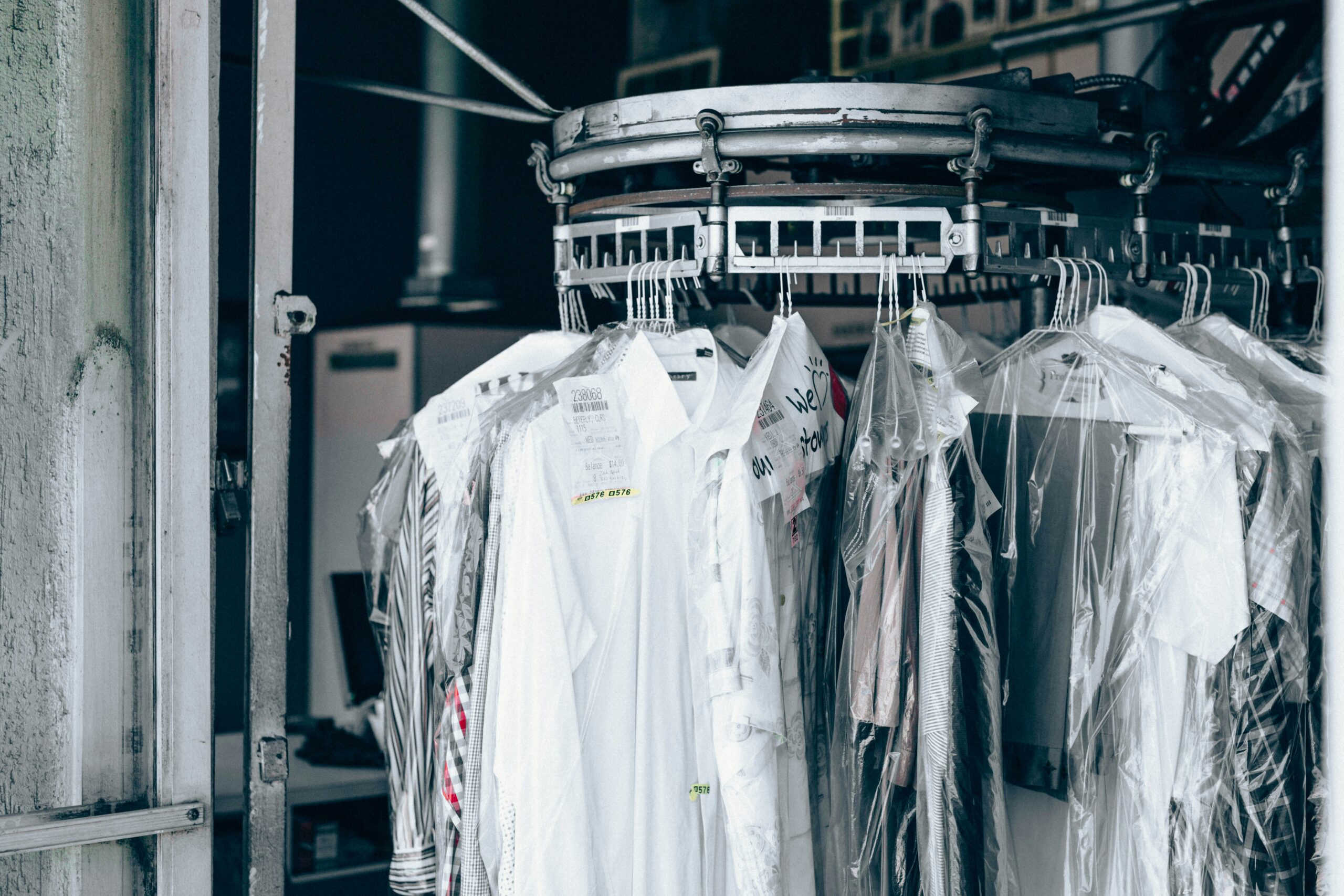
The Asian American family business is one of the most consequential and least examined institutions in American economic life. The dry cleaning shop, the restaurant, the convenience store, the nail salon, the motel. These are not merely businesses. They are survival strategies, community anchors, vehicles for intergenerational wealth transfer, and sites of enormous complexity for the families who build and inherit them. Three generations of an Asian American family business is a full American story, and it is rarely told as one.
Asian Americans own businesses at higher rates than any other demographic group in the United States. In many cases these businesses were started with minimal capital, no credit history, and no established network, relying instead on rotating credit associations (known as hui in Chinese communities, gye in Korean communities, and by different names across Southeast Asian communities), family labor, and the particular intensity of having no safety net to fall back on.
The First Generation: Building Something From Nothing
The classic first-generation Asian American business story involves extraordinary hours, family labor, and deferred consumption. Parents working seven days a week in a restaurant or shop, children doing homework in the back room, vacations as a concept that does not apply. The business is not separate from the family. It is the family’s project, its identity, its reason for the sacrifice of immigration.
This generation often builds significant assets, real estate, business equity, savings, while consuming very little of them. The financial habits are shaped by scarcity and distrust: cash-heavy, bank-light, diversification-resistant. Money is kept close and controlled because the alternative, trusting institutions that have failed immigrant communities before, feels more dangerous than keeping it under the mattress.
The wealth gap in Asian American communities is shaped significantly by these patterns. First-generation families often accumulate more than statistics suggest while simultaneously making financial decisions, avoiding investment markets, concentrating in single assets, that limit long-term growth.
The Second Generation: Inheriting the Obligation
The second-generation relationship with the family business is rarely simple. There is pride, genuine appreciation for what was built and the sacrifice it represents. There is obligation, the explicit and implicit expectation that the business will be continued, that the parents’ work will not be abandoned. And there is often conflict between what the business requires and what the second-generation person had imagined for their own life.
Many second-generation Asian Americans describe the family business as a source of both identity and constraint. Growing up behind the counter of a dry cleaning shop or in the kitchen of a restaurant shapes a person’s understanding of work, of customer relationships, of what it means to be reliable. It also shapes an understanding of what they do not want, the seven-day weeks, the physical labor, the vulnerability to a single bad year.
The conversations that do not happen, about what the business is worth, what will happen to it, whether the second generation is expected to take it over are exactly the ones that are hardest to have in families where money is not discussed directly. The unspoken assumption on both sides, that the business will be passed on or sold eventually, can create years of misaligned expectations.
The Third Generation: Choosing What to Keep
By the third generation, the original business is often gone, sold, closed, or transformed into something unrecognizable. What the third generation carries forward is more diffuse: work ethic, financial anxiety, specific skills, a complicated relationship to success and entitlement.
Some third-generation Asian Americans return to the family business model in new forms, not the dry cleaning shop but the venture-backed startup, not the restaurant but the food media company. They bring the same intensity and the same willingness to build from scratch, combined with the education and network access the first generation did not have. The Asian American founders building billion-dollar companies today are often the grandchildren of the family business generation.
What Three Generations Actually Build
What the Asian American family business builds across three generations is not always what the first generation imagined. The direct business may not survive. The specific trade skills may not transfer. What does transfer, almost universally, is the understanding that security is something you build rather than something you receive, that the system will not catch you if you fall, and that the only reliable safety net is the one you weave yourself.
AAPI Data has documented that Asian Americans own businesses at higher rates than any other demographic group in the United States, a pattern rooted in decades of immigrant entrepreneurship. Read more: AAPI Data on Asian American small business ownership.
Frequently Asked Questions
Why do so many Asian American immigrant families start small businesses?
Small business ownership has historically provided a path to economic stability for Asian American immigrants who faced discrimination in employment, had limited English proficiency, or lacked the credentials or networks to access professional jobs. Rotating credit associations within communities provided startup capital when banks would not. Self-employment also offered autonomy and the ability to employ family members.
What is a rotating credit association in Asian American communities?
A rotating credit association, known as hui in Chinese communities, gye in Korean communities, tanomoshi in Japanese communities, and by other names across Southeast Asian communities, is an informal lending circle where members contribute regular amounts to a pool and take turns receiving the full sum. It provides access to capital without bank involvement and has been central to Asian American small business formation for generations.
What challenges do second-generation Asian Americans face in relation to family businesses?
Second-generation Asian Americans often navigate competing obligations, parental expectation that the business will be continued versus their own professional aspirations. They also face the challenge of having financial conversations about ownership, valuation, and succession that are difficult in families where money is not discussed directly. Many describe feeling the weight of their parents’ sacrifice as both motivating and constraining.
What industries are most common for Asian American family businesses?
Asian American family businesses have historically concentrated in industries with low startup costs, flexible hours, and ability to employ family members: restaurants, dry cleaning, nail salons, convenience stores, motels, and grocery stores. More recently, Asian American entrepreneurs have entered technology, healthcare, financial services, and media, often building businesses that serve their own communities as well as broader markets.