
Peter Cheng on Taiwanese Food, Bourdain, and Building Shut Up ‘n Eat
Woven is a Bookshop.org affiliate. We earn a small commission when you buy a book through links in this article, at no extra cost to you. Bookshop.org’s profits support independent bookstores.
Food media has spent the last few years contracting. Mergers, consolidation, and layoffs have thinned newsrooms, and the rise of AI has scrambled how people find writing about food at all. Against that backdrop, three industry veterans have launched something that runs the other way: a podcast, a newsletter, and a merch shop built around the simple idea that eating should be fun.
Shut Up ‘n Eat is the work of Cathy Erway, Matt Gross, and Peter Cheng, three people who between them have written for and helped run much of traditional food media. Cheng spent 25 years inside the big houses, helping Condé Nast brands go digital and later running business development at Static Media, the publisher behind Tasting Table, Mashed, and Chowhound. Erway wrote The Food of Taiwan and is a James Beard Award winner for journalism and a Beard nominee for podcasting; Gross built a career writing about food across Asia.
Two of the three founders, Cheng and Erway, are Taiwanese American, and that sensibility runs through the whole project. We talked with Cheng about the Taiwanese dishes that shaped him, the enduring pull of Anthony Bourdain, why Taiwanese food is finally having its moment, and what it takes to build your own thing after a career spent building other people’s.
For readers meeting Shut Up ‘n Eat for the first time, what is it, and what’s the idea behind it? You’ve said the team saw something missing from food media. What was it?
Food media really caught my eye when Anthony Bourdain, Adam Richman, and Samantha Brown started to get popular on the Travel Channel, and exposed me to the joy of eating around the world. All of us partners, Cathy Erway, Matt Gross, and myself, have been lucky to work for pretty much all the big traditional food media outlets, like Condé Nast, the New York Times, and New York Magazine. We were brought up on eating and going to restaurants being fun, and on reading and writing about them being a passion in itself.
My partners and I have spent countless hours researching places to eat around the world on our many trips and shared adventures. That is what Shut Up ‘n Eat is all about: bringing joy and fun to food media. Given the current state of digital media, with the mergers and consolidation and, unfortunately, the layoffs, we feel this is much needed in the food media space. We are not the only ones trying to do this, so I give props to all the independent media folks out there. Go get ’em.
Let’s go to the table. What’s a Taiwanese dish or a specific food memory that shaped how you think about eating, and does it still show up in how you eat today?
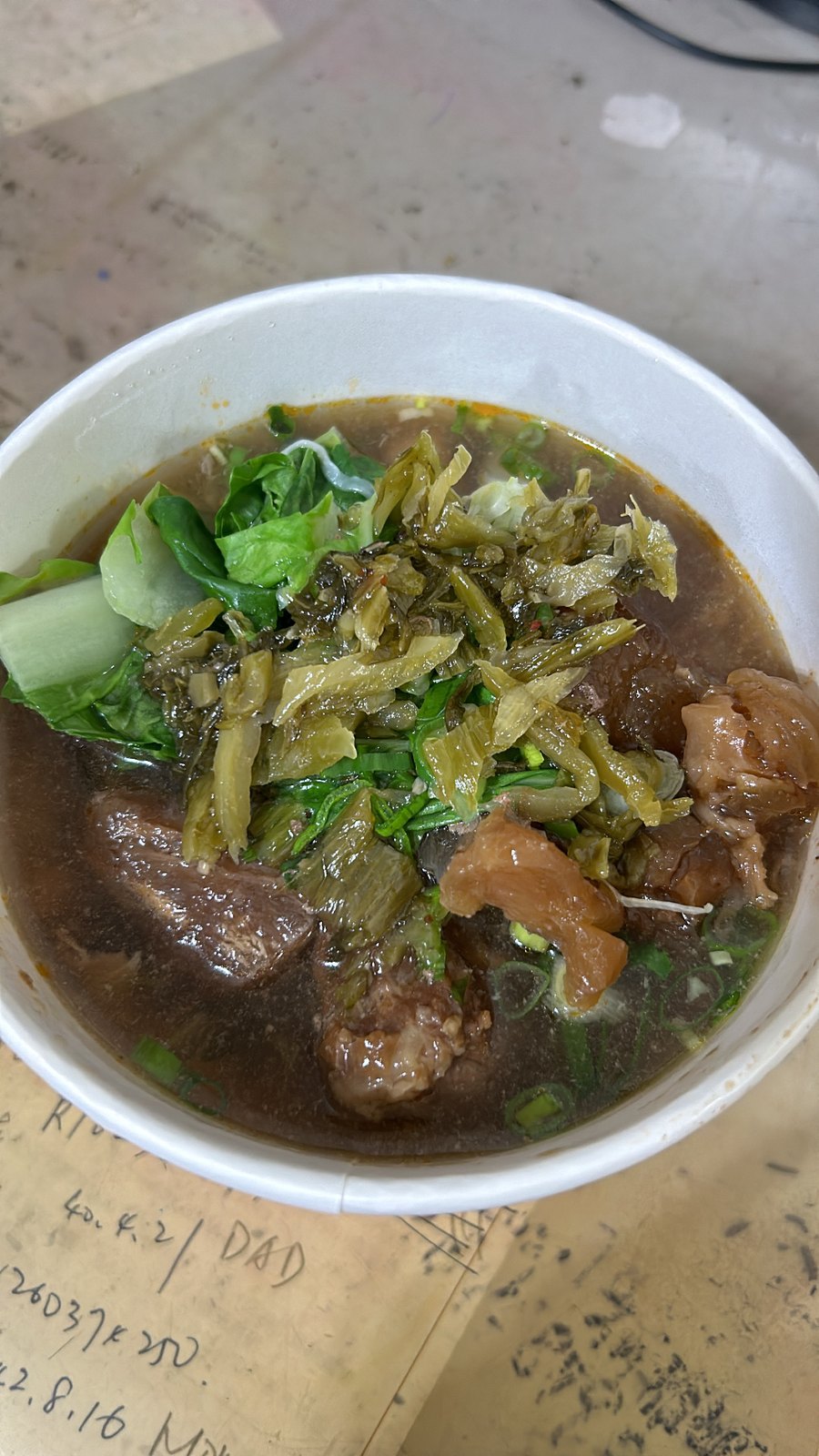
Taiwanese food will always be the window to my soul. One dish would be beef noodle soup, one of our national dishes and probably what Taiwan is best known for. It is especially important because I think my parents make the best beef noodle soup, and they still make it today. Most of the places I have tried in LA and NY do not measure up. I always try to seek out Taiwanese food in every city I travel to, and even if it is not as good as home, I give respect to the folks who are bringing our culture to the masses. Special shouts to places like Huge Tree Pastry and Corner Beef Noodle in LA, and Wen Wen and Ho Foods in NYC.
Taiwanese food will always be the window to my soul.
Two of the three founders, you and Cathy Erway, are Taiwanese American, and Matt Gross built his career writing about food across Asia. Was that shared Asian food sensibility something you set out to build the team around, or did it happen more organically?
Our Taiwanese connection, and Matt’s wife is Taiwanese, is actually pretty cool, and our overall affinity for any Asian cuisine and culture is reflected in what we podcast about, what we write about in the newsletter, and the overall brand identity of Shut Up ‘n Eat. Cathy wrote The Food of Taiwan, one of the first Taiwanese cookbooks from a major US publisher, which is really good, and Matt traveled and lived in Vietnam for a while and published a book, The Turk Who Loved Apples. I think our teaming up was partially organic, because of our shared interests, but we each also bring something unique from our careers that makes this partnership work.
Cathy wrote the first Taiwanese cookbook from a major US publisher, and you’ve named Taipei as one of your favorite food cities in the world. Do you feel Taiwanese food is finally getting its due in the US, or is it still underrated?
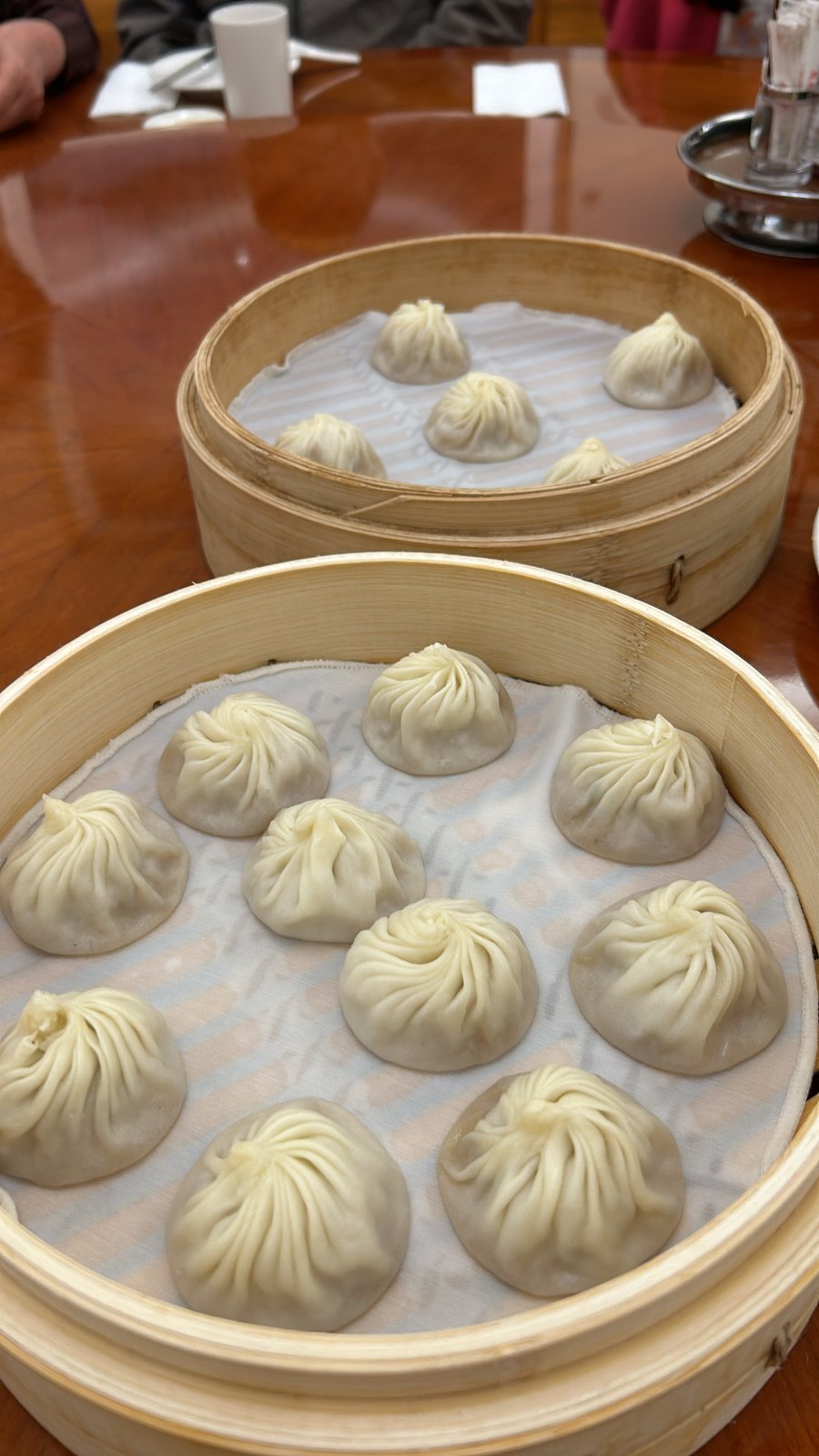
We are starting to get the national and global recognition that Taiwanese food deserves, but there is still room to grow. On the awards circuit, Kato, by Jon Yao and his partner Ryan Bailey, has really put Taiwanese food on the map. Kato is now a two Michelin star restaurant, after years of holding one, and it won a 2026 James Beard Award for Outstanding Wine and Other Beverages Program, its beverage program led by co-owner Ryan Bailey. Jon’s food has elevated Taiwanese cuisine with a menu that highlights Taiwanese dishes like black bean steamed fish and three cup chicken, but with techniques and ingredients that make it Michelin worthy. I have dined there four times, and each time I left with so much pride for the food and for Taiwanese cuisine. We need more places like this, and also more of the restaurants I mentioned in NY, LA, and other cities around the world.
Mainstream food media has not always made room for Asian food and Asian diners on their own terms. Is Shut Up ‘n Eat consciously trying to cover that differently, and what does doing it right look like to you?
I think you are right. Historically, the legacy food media outlets have not covered Asian food as much as other cuisines, but I will give them credit, because over the past decade or so they have, as American tastes have changed. I also want to give credit to pioneer chefs like Roy Choi, David Chang, Ming Tsai, Kristen Kish, Mei Lin, Padma Lakshmi, and many others (shout out to our friend George Chen, who just opened Asia Live) who have a national platform, with TV shows, podcasts, and socials, and who are also responsible for putting Asian food and culture in front of American audiences. At Shut Up ‘n Eat, we want to carry on that tradition of highlighting diversity and chefs who have an interesting background and origin story, whether it is Asian, Caribbean, Latin American, Middle Eastern, or from other places.
You lived in New York through the 2010s, which a lot of people look back on as a golden era for the city’s dining, with Anthony Bourdain at the peak of his influence and clearly a big mark on you. He had a way of taking street food and immigrant kitchens as seriously as any fine-dining room. What did his approach teach you, and how much of that are you carrying into Shut Up ‘n Eat?
I feel like Cuba Gooding Jr. in Jerry Maguire, getting interviewed by Roy Firestone: ‘I’m not gonna cry, Roy!’ Anthony Bourdain had such a profound impact on food and travel content, and he was really the modern godfather of food television. You can see his impact on many of the current YouTube hosts, like Mark Wiens, and on influencers across social media. On a personal level, I was fortunate to know folks from his ZPZ production team, and I hung out with them socially at parties and other functions. I never met Tony in person, but he knew who I was, and I felt like that was an honor in itself. What I learned from Tony is that food is a way to break down barriers between cultures, races, and religions. When you travel and break bread with someone different, that is when you start knowing them as people. We are really not that different, and a shared meal has that power. At Shut Up ‘n Eat, we are carrying on that tradition of sharing meals and learning about cultures and cuisines different from ours. I think that is a responsibility of food media and journalism: to keep breaking down barriers through food.
When you travel and break bread with someone different, that is when you start knowing them as people.
Besides what we learned from Tony in the 2010s, we were also inspired by eating and drinking at places like Pok Pok, Mission Chinese, Han Dynasty, Pig & Khao, Fette Sau, Hidden Tiger, and Robby Cook at Morimoto. These days in NYC, restaurants and chefs like Yoshino, Shion, Banh Anh Em, Mam, TabeTomo, Hanoi House, Corima, Kabawa, Lei Wine Bar, Kidilum, and Insa are cooking very inspired food from all over the world, the kind of thing I think Tony would have loved, especially the Vietnamese food.
After 25 years inside big media houses, from helping Condé Nast brands go digital to running business development at Static Media, what finally pushed you to leave and build your own thing?
It was a privilege to work with food brands like Bon Appétit and Epicurious, and that is where I met Matt Gross, who was a BonAppetit.com editor. Many of my Condé colleagues are still close friends to this day, and we support each other professionally and personally. Then I helped Static Media, which owns Tasting Table, Mashed, and Chowhound, raise money, and I went there to help build one of the biggest digital media publishers, which was as fulfilling a journey as you can get in our business. After we were acquired, I spent the past couple of years looking for the next version of a food media start-up. I needed to find the right partners to start it, and of course timing played a big part, like most things in life. Matt Gross and Cathy Erway, with their wealth of experience in food journalism and their passion for food, are those partners, and I am very lucky we all decided to team up for this venture.
Launching a podcast, a newsletter, and a merch shop all at once is an unusual way to begin. Why build all three from day one instead of leading with one?
As I mentioned, my partners and I were looking for the next version of a food media business, and we thought hard about what that looks like. Originally I wanted to focus on building a video channel and brand along the lines of Hot Ones and First We Feast, but video is expensive to film and produce. We may get there one day, but that is perhaps a Shut Up ‘n Eat 2.0. Also, since AI has exploded onto the scene, it has massively disrupted the way we consume content on the web. Consumers do not go to websites as much now, and you can no longer rely on referral or Google search traffic. Growing a loyal subscriber base that is passionate about your content seems like the way forward, rather than accumulating a huge random audience to your site.
Matt has his own newsletter, Trying!, that has been pretty successful, and I am a huge fan of podcasts (shout out to friends Jason Concepcion and Rosie Knight at X-Ray Vision, who introduced us to our amazing producer and editor, Haitch). So we decided a podcast and a newsletter were a more cost-effective way to launch. When Cathy came on board, we started looking for a designer, and we hired her friend Matt Timms, who came up with the coolest, cutest logo and mascot, which we used to launch our merch and online store. Now we have three sources of revenue instead of one, and off we go.
For a young professional trying to break into food or media today, what actually opens doors now, and how is that different from when you started?
The whole idea of getting a 9-to-5 job and going to the office has changed a lot since we started in media. There has been massive consolidation between media companies over the past few years, and AI has eliminated many of the entry-level jobs we would have been hired for 15 or 20 years ago. Covid also introduced remote work, which remains popular with many companies today, and that is challenging for a young person who may need in-person guidance at that stage of their career. So I do feel for young professionals trying to break in, but there is hope. Just like when we launched Shut Up ‘n Eat, we found there are many platforms, like Beehiiv, Shopify, Canva, and YouTube, and tools, including AI, that can help you start your own business. It has never been easier to start something and experiment at an affordable cost. Even if you have a job in media, learning how to use these tools can help your career, and perhaps at some point help you launch your own business.
You get one meal in Taipei and one in Tokyo tomorrow. What are you ordering, and what makes each one worth the trip?
In Taipei, it is the sausage and sticky rice at the night markets, probably my all-time favorite dish in Taiwan. Any meal at a night market is worth it, but there are countless foods and cuisines that make Taiwan so special. We have also been told we are the nicest people in Asia.
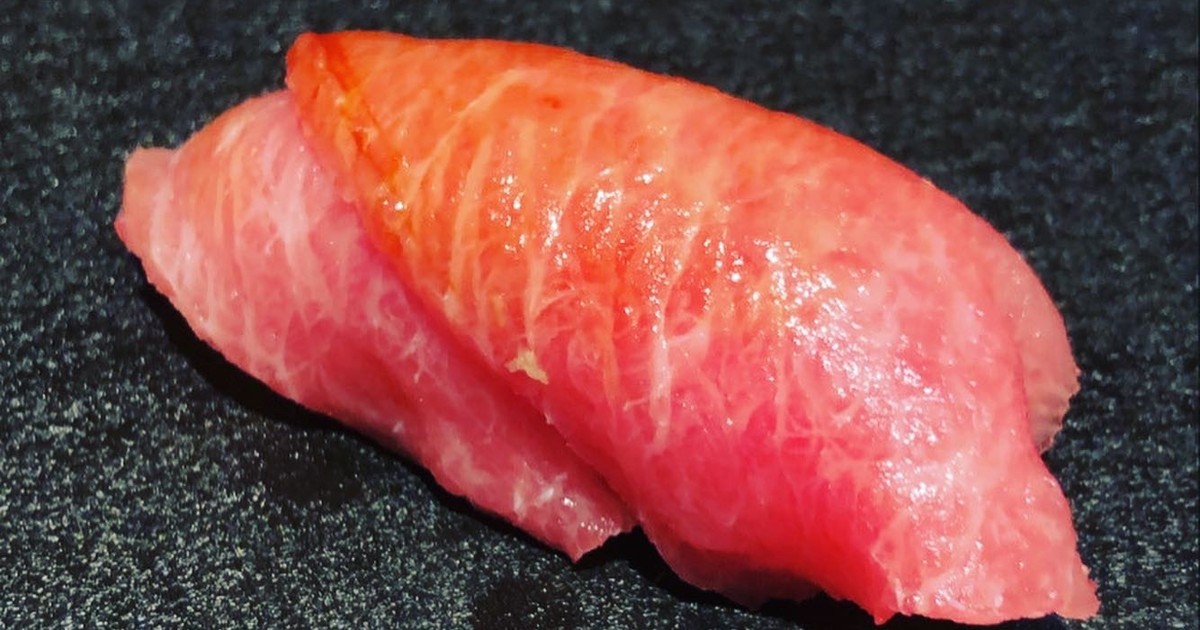
In Tokyo, it is any omakase, and I want Spanish mackerel nigiri specifically. A recent trip there included a very special meal at Ume. My second choice would be ramen at Kikanbo or tsukemen at Fuunji. Now I am hungry. It is time to shut up and eat.
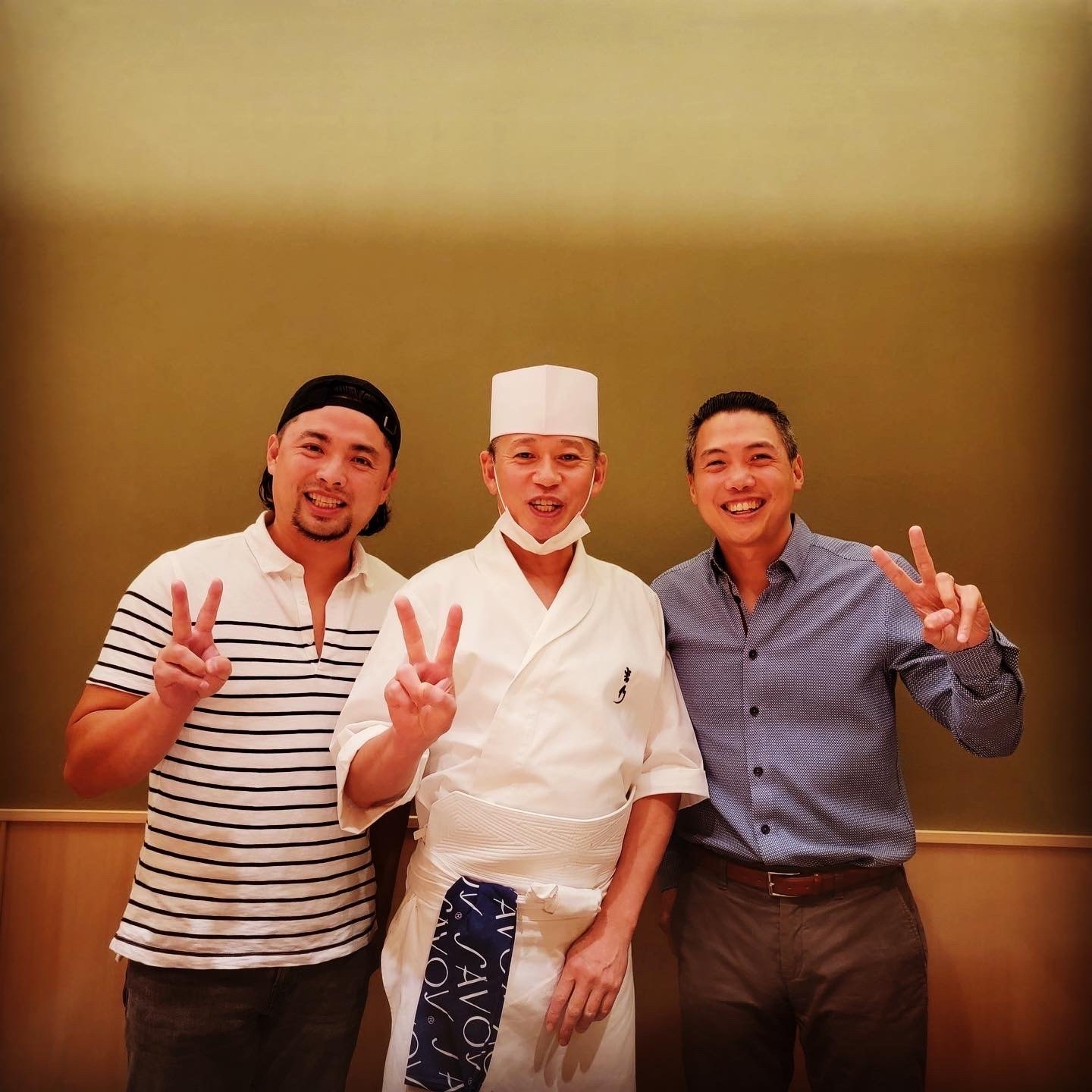
Peter Cheng co-founded Shut Up ‘n Eat with Cathy Erway and Matt Gross. Shut Up ‘n Eat publishes its podcast and newsletter at shutupneat.com, with merch at shop.shutupneat.com.