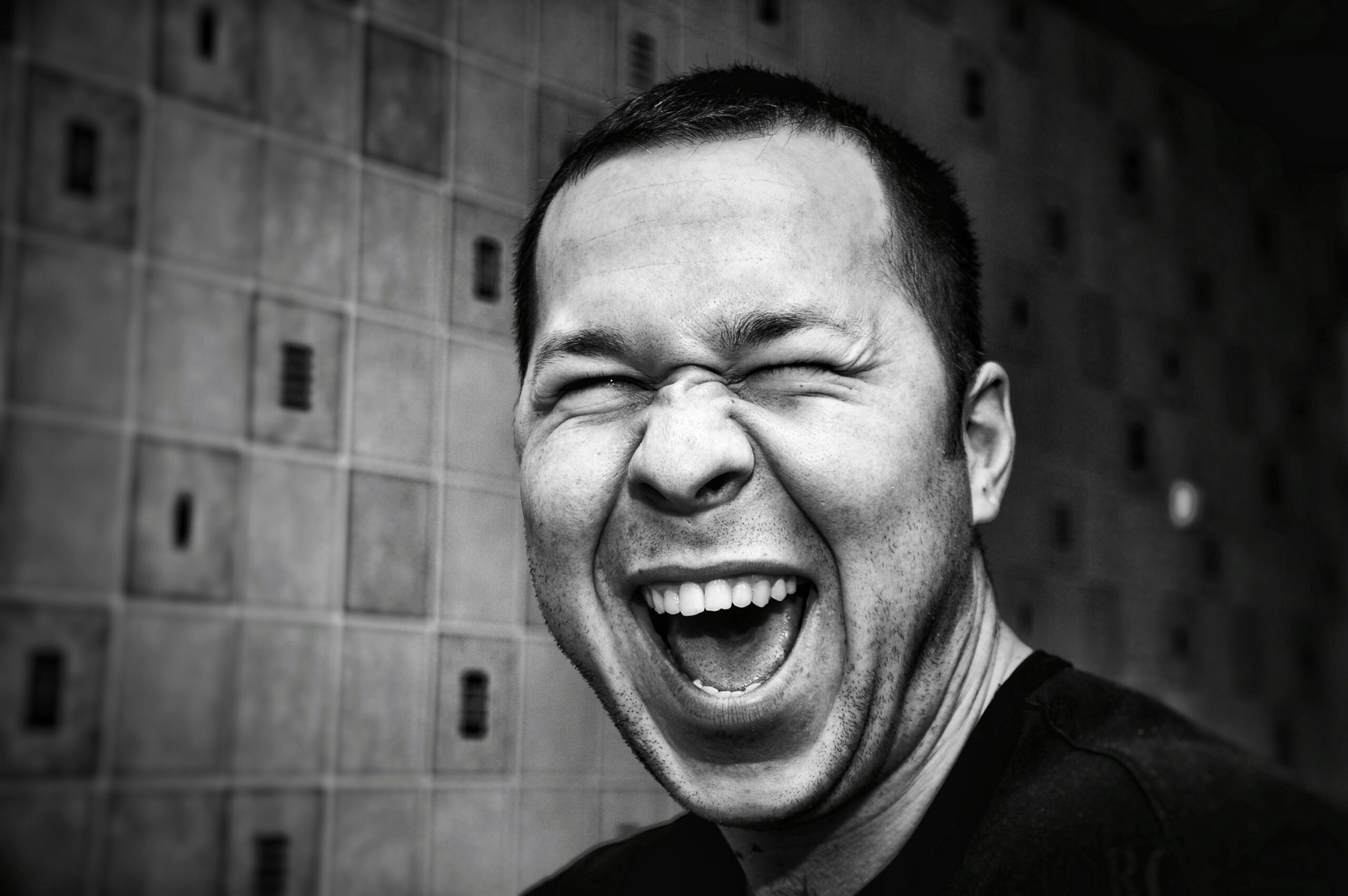
The Asian American Comedians Rewriting the Punchline
Asian American comedians have fundamentally changed the landscape of American comedy. For most of American comedy’s history, Asian Americans appeared in one of two positions: as the punchline or as the invisible. The punchline version was well-established — the accent joke, the small-penis joke, the tiger mom joke, the “ching chong” joke. These weren’t always told by outsiders; some of the most durable anti-Asian stereotypes in American comedy were performed by Asian American comedians themselves, navigating the choice between self-deprecation and invisibility and choosing self-deprecation as the price of entry.
That era is not entirely over. But something significant has changed in the past decade, as a generation of Asian American comedians has found audiences — on streaming specials, on social media, in clubs and theaters — for material that doesn’t organize itself around making the mainstream comfortable with Asian American presence. The new material is funnier, stranger, more honest, and more various than what came before.
Asian American Comedians: Starting With Ali Wong
Ali Wong’s Netflix specials — Baby Cobra (2016), Hard Knock Wife (2018), and Don Wong (2022) — established a template for a kind of Asian American comedy that had rarely existed in the mainstream: explicitly sexual, explicitly feminist, explicitly unconcerned with whether the audience found her appealing or relatable in the ways women and Asian Americans are typically expected to be.
Wong’s material about marriage, motherhood, ambition, and money is funny primarily because it is specific and honest in ways that polite representation avoids. She is not performing contentment or gratitude. She is performing a woman who wants things — comfort, success, freedom, good sex — and who is funny about the gap between wanting those things and the reality of pursuing them while Asian American and female in America.
Hasan Minhaj and Political Specificity
Hasan Minhaj built an audience through Patriot Act, his Netflix news-comedy show, and through specials that engaged directly with the politics of being Muslim and South Asian in America — the specific experience of post-9/11 surveillance and suspicion, of navigating belonging in a country that regularly questioned his right to it, of the relationship between immigrant parents’ sacrifices and children’s political commitments.
Minhaj’s approach demonstrates something important about where Asian American comedy has moved: toward political specificity rather than away from it. The earlier generation of Asian American performers often tried to make material that transcended their identity, that would appeal to everyone by not being “too Asian.” The current generation has found that being specifically Asian — specifically Muslim, specifically South Asian, specifically a child of immigrants navigating America in this particular political moment — is what makes material resonate, not what limits it.
The Social Media Generation
Alongside the comedians building careers through traditional pathways — standup, television, film — a generation of Asian American creators has built massive followings on TikTok, Instagram, and YouTube with comedy that would have had no platform ten years ago. They make content about the specific textures of Asian American family life, about code-switching, about the particular absurdity of being asked “where are you really from” for the hundredth time.
The audience for this content is not exclusively Asian American, but it is primarily so, and the creators are not adjusting their material for those outside the community. The existence of a direct relationship between creator and audience — without the mediation of networks or studios whose instinct is to sand down the specific in pursuit of the universal — has produced comedy that is, paradoxically, more universal because it is less anxious about its specificity.
What Has Changed
The change is not simply that there are more Asian American comedians, though that’s true. It’s that the material has stopped apologizing. The comics doing the most interesting work right now are not asking permission to exist in American comedy. They are not managing the discomfort of audiences who expect Asian Americans to perform gratitude or self-deprecation. They are making the comedy that is funniest to them and trusting that the audience will catch up.
That trust turns out to be warranted. The audience has caught up. And the punchline is no longer what it used to be.
NPR has covered the emergence of Asian American comedians who are redefining how the community is portrayed in comedy — moving away from accent jokes and tiger mom punchlines toward material that reflects the full complexity of the experience. Read more: NPR on Asian American stand-up comedy.
Frequently Asked Questions
Who are the most prominent Asian American stand-up comedians?
Prominent Asian American comedians include Ali Wong, whose Netflix specials established a new template for Asian American comedy; Hasan Minhaj, known for Patriot Act and his politically specific material; Jo Koy, one of the highest-grossing touring Filipino American comedians; Randall Park; Ken Jeong; and a wave of social media comedians reaching tens of millions of followers on TikTok and YouTube.
How has Asian American comedy changed in recent years?
Asian American comedy has fundamentally shifted from self-deprecating material designed to make non-Asian audiences comfortable with Asian American presence, to specific, uncompromising work that reflects the actual complexity of Asian American experience. The current generation of comedians is not asking permission — they are making work for audiences who get the references and trusting that specificity creates rather than limits universal resonance.
What made Ali Wong’s comedy specials groundbreaking?
Ali Wong’s Netflix specials — particularly Baby Cobra (2016), filmed while she was visibly pregnant — were groundbreaking for their explicit sexuality, feminist perspective, and complete indifference to being likable in the ways Asian American women are typically expected to be. She was not performing gratitude or self-deprecation. She was performing a woman who wants things and who is funny about the gap between wanting and having.
How has social media changed Asian American comedy?
Social media has created a direct creator-to-audience relationship that bypasses the traditional gatekeepers who historically filtered Asian American voices out of mainstream comedy. TikTok and YouTube comedians making content about Asian American family dynamics, code-switching, and cultural identity reach audiences of millions without needing studio approval — and their refusal to translate for non-Asian audiences paradoxically produces broader resonance.