What Dating Apps Feel Like for Asian American Men
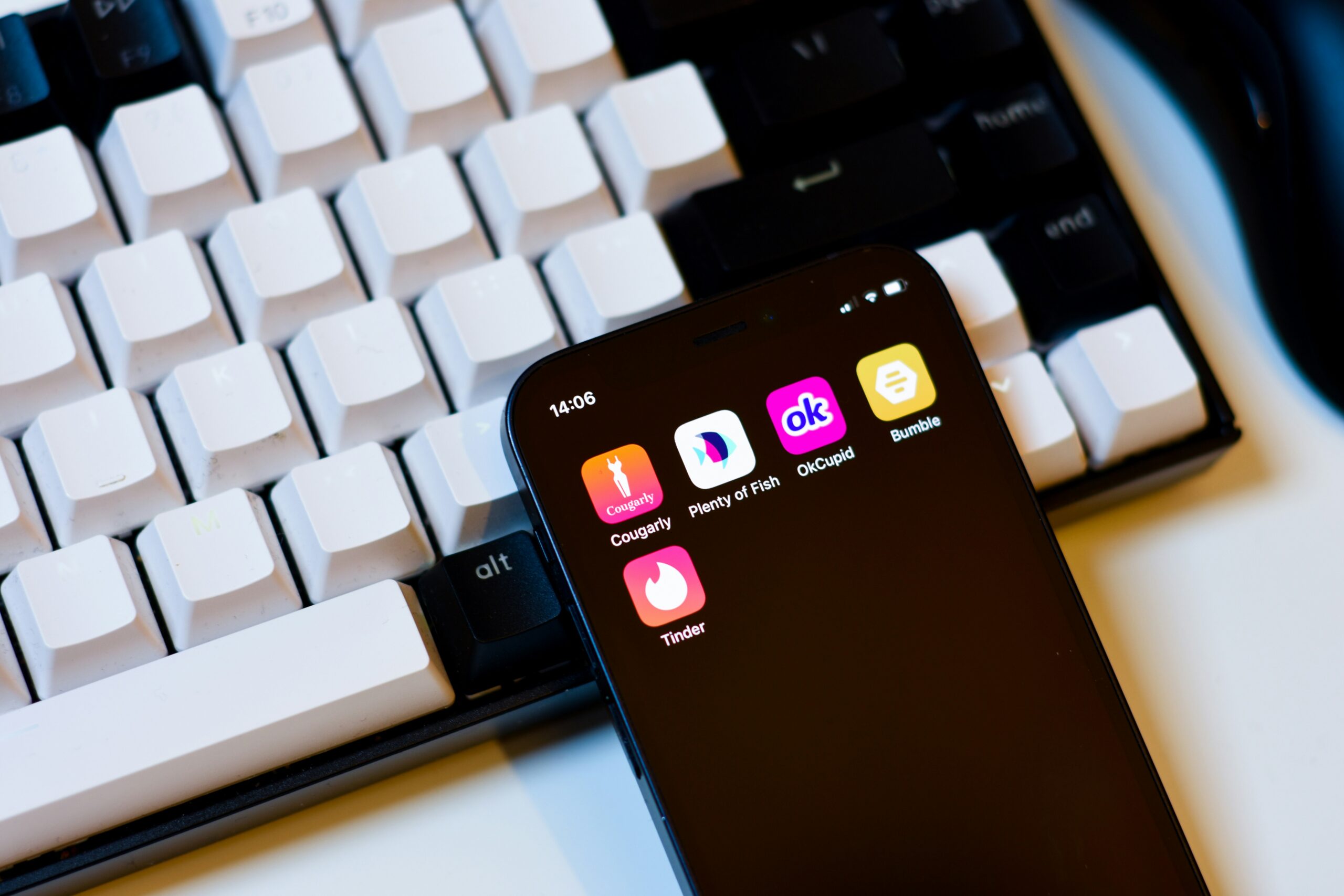
The Asian American men dating apps story being told for over a decade now has a particular shape. It usually starts with a number — the number of right-swipes it takes to get a single match, calculated over weeks or months once someone gets serious about tracking. The number is high. Higher than the friends who aren’t Asian have to swipe. Much higher. Some men keep the data in a spreadsheet. Most just feel it as the slow accumulation of evidence that the apps are not really for them.
The data backing the dating apps Asian American men experience has existed for over a decade. OkCupid published it in 2009, then again in 2014, then quietly stopped publishing it. Studies from Columbia, Stanford, and a dozen smaller institutions have replicated the finding. Asian American men get fewer matches per swipe than men of any other racial group on every major dating platform that has ever made its data public. This is not a contested claim. The contested part is what to do with the information, and how it feels to live inside it.
Asian American Men Dating Apps: The Experience Most Recognize
The lived experience tends to follow a predictable arc. There is an initial phase, usually in early twenties, when the apps still feel possible — the swipes don’t feel weighted yet, the rejections feel like normal dating noise. Then something shifts. The pattern becomes legible. The friend who is six inches shorter and not particularly handsome but happens to be white is getting matches in volumes that don’t make sense relative to his actual appeal. The Indian American friend, the Korean American friend, the Vietnamese American friend — they’re all running the same numbers, and the numbers all look the same. The shock is not that dating is hard. The shock is that dating is hard in this specific way, distributed across a racial pattern that nobody talks about in mixed company.
What follows next varies. Some men adapt and stay on the apps with adjusted expectations — fewer matches, longer cycles, more patience. Some quit the apps entirely and meet partners through work, friends, hobbies, or community spaces where their full self is legible in a way a six-photo profile can’t capture. Some get bitter. Some go through a phase of trying to optimize themselves out of the pattern — better photos, gym, careful prompt-writing — and find that it helps at the margin but doesn’t fundamentally change the underlying math.
What the Apps Reduce You To
The thing the apps strip away is exactly the thing most Asian American men have spent their lives building: the substance under the surface. The kind of presence that lands in a conversation. The dry sense of humor that needs five minutes of context to work. The way you treat the people around you over time. None of this fits in the profile. What fits is the photo, the height number, the job title — and a racial signal that, for Asian American men, the algorithm and the swiping behavior of users have both established as a negative.
This is a different kind of dating difficulty than the universal one. Everyone gets rejected. The Asian American man’s experience is being rejected before the rejection can be about anything personal. The category does the work. You are filtered out before the conversation that would have given you a chance.
What makes this particularly difficult to articulate is that it is not a complaint anyone wants to hear. White friends will say it doesn’t sound that bad, or that everyone has trouble. Asian American women, often, are running their own complicated calculus with the apps and are not eager to hear that their male counterparts also have grievances. The professional or cultural communities that should be a refuge often default to silence on the topic because the framing has been so thoroughly poisoned by men’s-rights communities online that any honest conversation gets pattern-matched to the worst version of itself.
The Trap That Keeps Catching People
The single worst thing that happens to Asian American men in this space is that the legitimate grievance — yes, you are being treated unfairly by a system that has racialized desirability in ways that genuinely disadvantage you — becomes a recruiting pathway into communities that turn the grievance into a worldview. The pipeline is well-documented. Men start at “dating apps are unfair to me,” move to “women are unfair to me,” and end up several years later marinating in the kind of content that makes them worse partners and worse people, dramatically reducing the chance of the relationship they were trying to find in the first place.
The exit ramp from this pipeline is to hold two truths at once. The first: the dating-app penalty for Asian American men is real, and it is okay to name it. The second: the penalty does not entitle anyone to a relationship, does not justify resentment of women as a category, and does not predict your actual life outcomes. Plenty of Asian American men have rich and partnered lives. They almost universally got there by meeting people in real-world contexts where they were a full person, not a row in a dating-app database.
What Actually Helps
For most Asian American men, the practical move is to spend less energy on the apps and more energy on the contexts where you actually do well. The dating-app environment is the worst possible matchmaking technology for someone whose appeal is concentrated in things that don’t show up in a profile. Hobbies, sports, professional communities, friend networks, religious or cultural communities, dance classes, hiking groups — anything where you exist as a person over weeks or months — will produce dramatically better matching for most Asian American men than swiping on Hinge for two years.
This is not a moralistic claim about the apps being bad. It is a practical claim about comparative advantage. If the apps are aggressively bad for your specific demographic, the rational response is to allocate dating energy elsewhere — not to grind harder on the worst system available to you, and definitely not to take the grinding personally enough to let it shape your worldview.
Asian American Men Dating Apps: Final Thought
The hardest part of writing about this topic honestly is that it is also a story Asian American men can use against themselves. The numbers exist, the experience is real, and the pattern is documented — but there is no version of internalizing this information that helps. The men who do well, who find partners and build lives, are not the ones who have most clearly understood that the apps are stacked against them. They are the ones who decided the apps weren’t the only place to look, and who spent their time becoming the kind of person someone meets at a friend’s birthday and remembers a week later. The data isn’t the point. The point is what you do once you understand the data isn’t worth optimizing around.