The Best Korean Restaurants in Los Angeles (LA) Right Now
Los Angeles has the largest Korean American population outside of Korea, and Koreatown — the dense, extraordinary neighborhood at the heart of the city — is the culinary center of that community. The best Korean restaurants Los Angeles are not just good Korean restaurants. They are some of the best restaurants of any kind in the country: places where technique, tradition, and ingredient quality combine to produce food that has no real equivalent anywhere else in the United States. This list is not a comprehensive survey. It is a selection of places that represent the range of what Korean food in Los Angeles can be — from the tabletop grills of classic Korean BBQ to the fermented depth of home-style cooking to the new generation of Korean American chefs who are making something genuinely new. For another corner of LA’s Asian American food scene, see our guide to the best Filipino restaurants in LA.
Korean Restaurants Los Angeles Loves: The BBQ Institutions
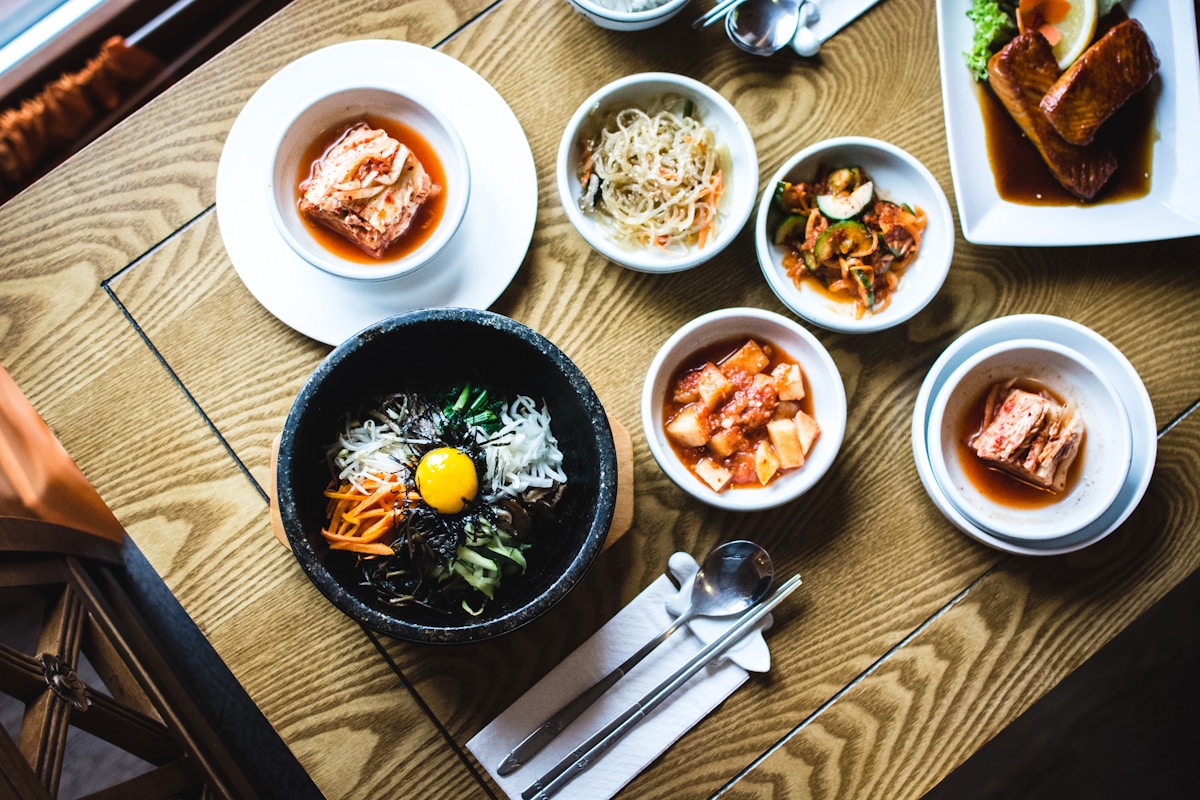
Quarters Korean BBQ in Koreatown is the standard against which Korean restaurants Los Angeles diners reference for tabletop grilling. The galbi — short ribs — is cut thick and marinated to a depth that most Korean BBQ restaurants approximate but few achieve. The service is attentive without being intrusive, and the banchan — the rotating array of small dishes that accompany the meal — reflects the kind of kitchen investment that distinguishes serious Korean restaurants from merely competent ones. Park’s BBQ, also in Koreatown, is a different kind of institution. Where Quarters leans into the communal, festive experience of tabletop grilling, Park’s is more focused — a restaurant that takes the quality of the meat and the precision of the cooking seriously as ends in themselves. The prime beef options, particularly the chadolbaegi (thin-sliced beef brisket), are exceptional. For those newer to Korean BBQ, understanding the difference between the major styles is valuable. The gap between Japanese, Korean, and Chinese grilling traditions is significant — the full breakdown is worth reading before you go.
Beyond the Grill
Korean cuisine extends well beyond tabletop grilling, and some of the most important Korean restaurants Los Angeles offers serve food that has nothing to do with BBQ. Soban in Koreatown is a mother-daughter-run homestyle Korean restaurant that has built its reputation on the kind of cooking rarely found in American restaurant contexts. The ganjang gejang — soy-marinated raw crab — is the dish that defines the restaurant, joined by braised black cod, galbi jjim, and a rotating spread of more than a dozen banchan that change with the season. The cast of the film Parasite famously celebrated their 2020 Oscar win here. BCD Tofu House on Wilshire is the soondubu jjigae destination in Los Angeles — silken tofu stew that arrives at the table still boiling in a stone pot, the broth spicy, the silken tofu yielding to the spoon, an egg cracked in tableside. The Wilshire location stays open around the clock and has anchored Koreatown soondubu culture since 2000. Pioneer Beverly Soon Tofu — which opened in 1986 and trained a generation of LA diners on what soondubu could be — closed permanently in 2020, and BCD has carried the format forward at scale.
The New Generation
A wave of Korean American chefs is making food that takes Korean technique and ingredients in new directions. Baroo in the Arts District, by chef Kwang Uh and Mina Park, is a six-course Korean tasting menu built on fermentation, seasonality, and a Buddhist sensibility that runs through every course. The Los Angeles Times named Baroo its 2024 Restaurant of the Year, calling it the city’s most persuasive foray into Korean culinary innovation. The result is something genuinely novel: Korean food that has never existed in quite this form before. This new generation of Korean American chefs is part of the broader story of what second-generation Asian Americans are cooking now — a synthesis of inherited culinary knowledge and American training that produces food neither purely traditional nor purely contemporary.
What to Order If You’re New
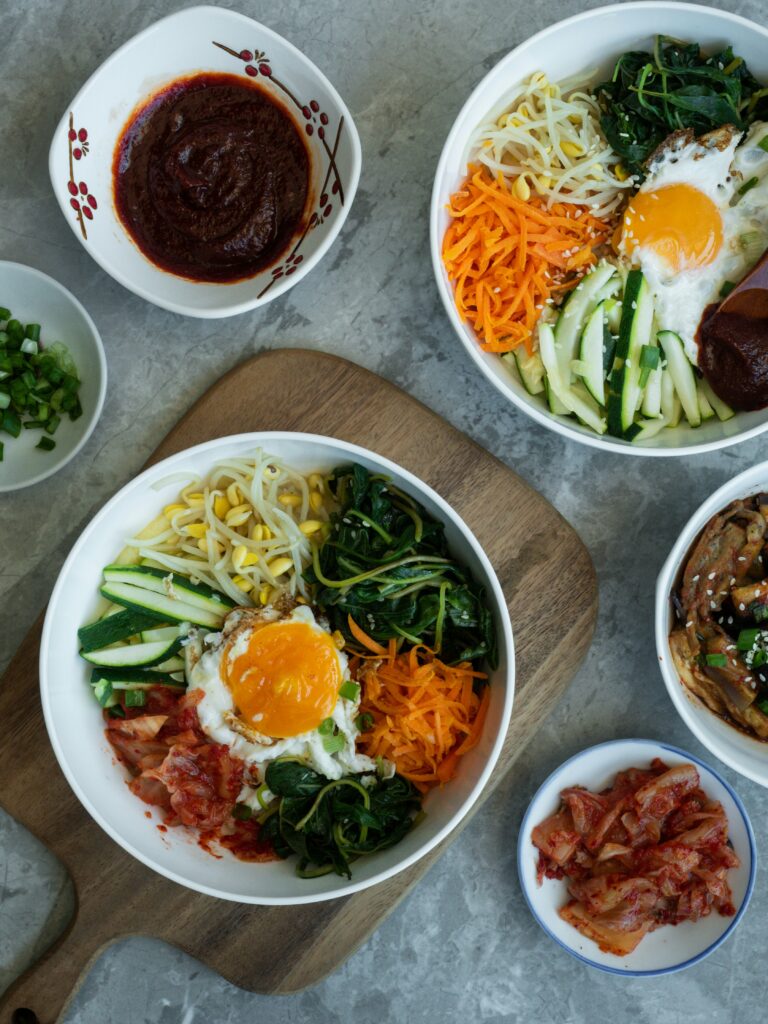
For someone eating Korean food seriously for the first time in Los Angeles, a few dishes are essential. Galbi (grilled short ribs) and samgyeopsal (pork belly) at a Korean BBQ restaurant — ask the server to help with the grill. Soondubu jjigae (soft tofu stew) for its depth and heat. Bibimbap (rice bowl with vegetables and egg) for its balance. And doenjang jjigae (fermented soybean paste stew) as an introduction to the fermented, complex flavors that run through Korean cuisine. Los Angeles has the largest Korean American population outside Korea, and food critics have documented how Koreatown has become one of the most important dining destinations in the country. Read more: Eater LA’s guide to Korean restaurants Los Angeles.