The Rise of Boba: How Bubble Tea Became American
The rise of boba bubble tea from underground Asian American staple to mainstream phenomenon happened faster than almost anyone predicted. Bubble tea was invented in Taiwan in the 1980s — depending on which origin story you believe, either at Chun Shui Tang teahouse in Taichung, where a product development manager named Lin Hsiu Hui mixed her tapioca pudding into her iced tea at a staff meeting, or at Tu Tsong-he’s Hanlin Tea Room in Tainan, where the tapioca pearls in the tea resembled the white jade of traditional Taiwanese white sugar tapioca. Both claim the invention. Both have been fighting about it for decades.
What isn’t disputed is what happened next: the drink spread throughout Taiwan, then to Hong Kong, then across Southeast Asia, then — carried by Taiwanese and other Asian immigrants — to cities in the United States, Canada, and Australia with significant Asian populations. And then, sometime in the 2010s, it broke out.
How Boba Bubble Tea Broke Out of the Asian Strip Mall
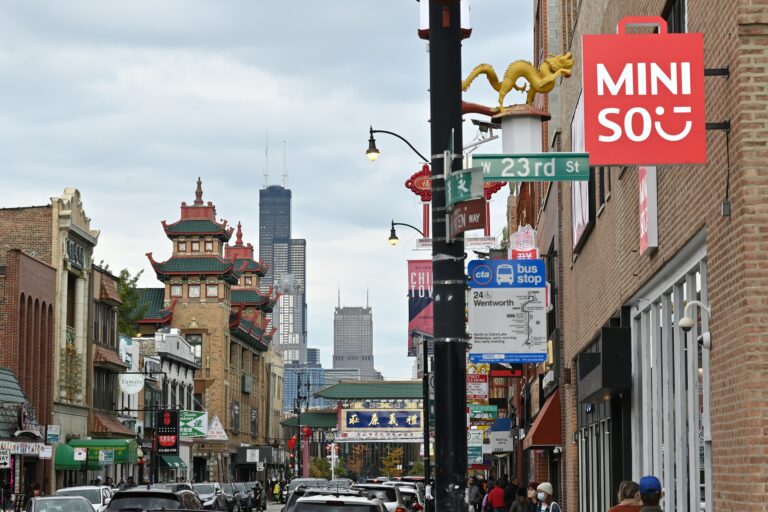
For years, boba tea was an in-group pleasure. You either grew up with it, discovered it in a chinatown or an Asian strip mall, or knew someone who brought you. The shops that sold it existed in a specific geography of American cities — Flushing, the San Gabriel Valley, the Richmond district of San Francisco, Koreatown, Little Saigon. They were not particularly designed to attract people who didn’t already know what they wanted.
Then several things happened simultaneously. Gong Cha, Tiger Sugar, and other Taiwanese chains began aggressive international expansion. A generation of young Americans who had grown up eating at Asian restaurants and shopping at H Mart approached boba with the same enthusiasm they brought to ramen and Korean fried chicken. Social media — particularly Instagram and TikTok — turned the visually compelling drink into a recurring feature of food content. The brown sugar tiger stripe boba, with its dramatic caramel streaks, was practically designed for photography.
By the early 2020s, boba shops were opening in suburban strip malls across middle America. Starbucks-style chains were developing their own tapioca drinks. The word “boba” had entered mainstream American food vocabulary in a way that “dim sum” took decades to achieve and “pho” took fifteen years.
What Boba Actually Is
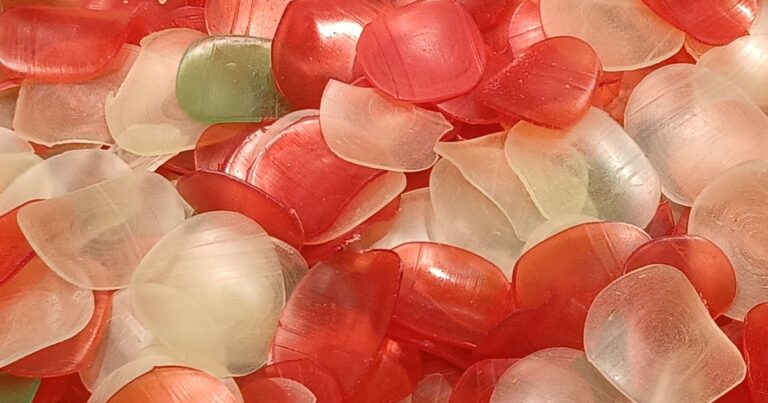
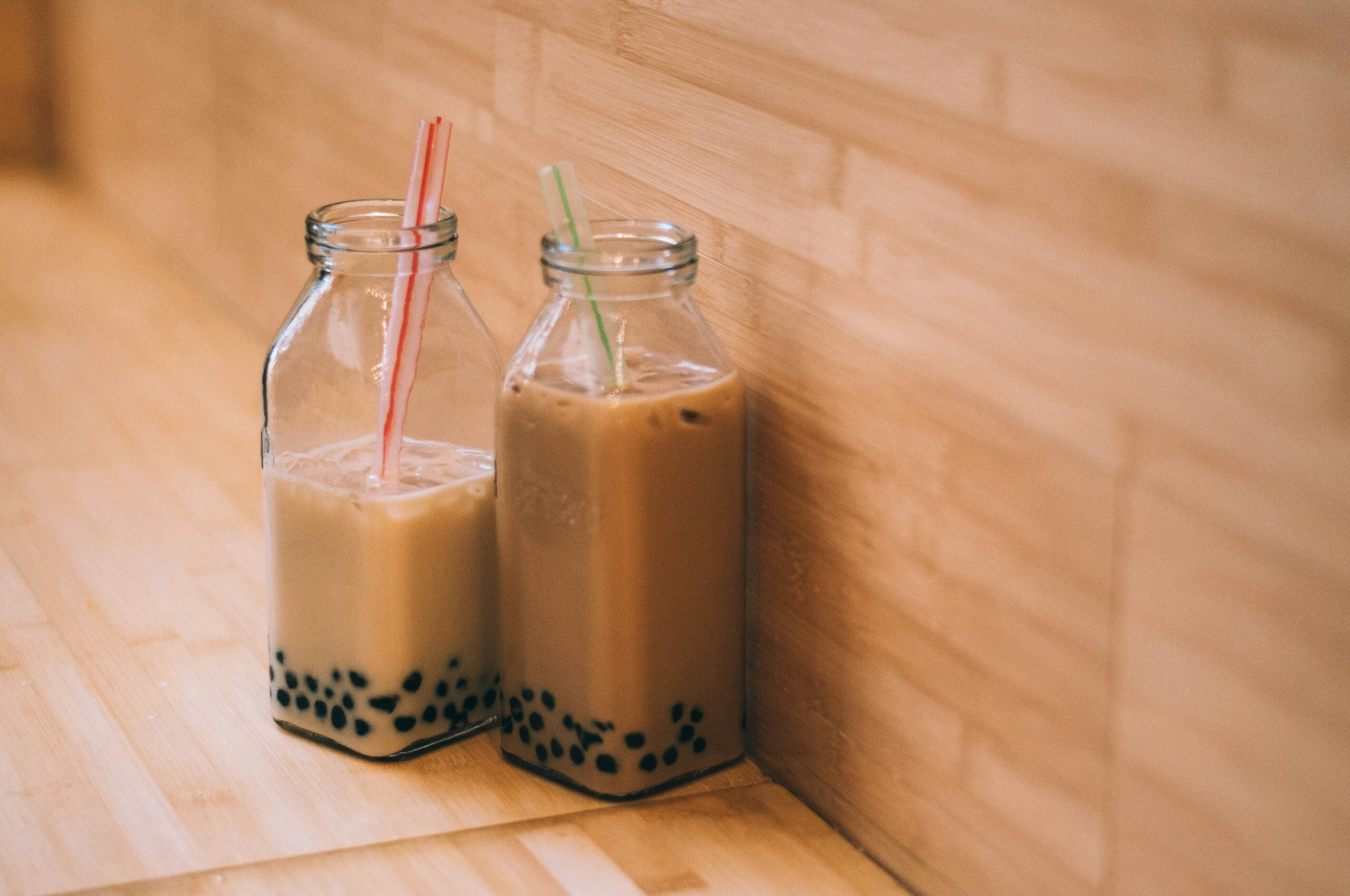
The base is almost always tea — black, green, oolong, jasmine, or a milk tea blend — though fruit tea bases have become increasingly common. The “bubbles” that gave the drink its name originally referred to the foam produced by shaking, though the tapioca pearls (boba) came to define the drink. Beyond the classic black tapioca pearls, contemporary boba shops offer a range of additions: flavored jelly cubes (grass jelly, lychee jelly, coffee jelly), popping boba filled with fruit juice, cheese foam toppings, and various puddings.
Sweetness and ice level are typically customizable — a feature that resonates strongly with a generation of consumers who expect to personalize their orders. The straw is wide enough to accommodate the pearls, a detail that has become part of the ritual.
The Cultural Ownership Question
As boba went mainstream, the conversation about cultural ownership followed. Asian American writers and commentators began noting the irony that a drink they had consumed for years in unglamorous strip mall shops was now being sold at premium prices in aesthetically-curated spaces that bore no connection to the culture that originated it.
This is a familiar dynamic. The trajectory from ethnic food of immigrant communities to mainstream American trend almost always involves some version of this disconnect — the flavors travel, the context doesn’t, and the economic benefits frequently accrue to whoever packages it most successfully for the mainstream market rather than to the communities where it originated.
The specific boba version of this conversation has been complicated by the fact that many of the largest boba chains are themselves Taiwanese corporations, that Asian American entrepreneurs have opened successful boba shops capturing the mainstream moment, and that the line between cultural appreciation and appropriation is genuinely contested even within Asian American communities.
What Remains True
Whatever the politics of its mainstreaming, boba remains a genuine cultural touchstone for Asian Americans of a certain generation. The specific pleasure of an after-school boba run, the particular social ritual of ordering together and customizing, the connection it maintains to a broader culture of Asian food and sociality — these things don’t disappear because the drink became popular.
If anything, watching something you grew up with become mainstream produces a particular bittersweet sensation that many Asian Americans know well: pride that the culture is valued, ambivalence about what gets lost in the translation, and a lingering preference for the version you had before everyone else knew what it was.
Smithsonian Magazine has traced boba’s journey from a Taiwanese tea house invention in the 1980s to its status as one of the most recognized Asian food exports in American culture. Read more: Smithsonian Magazine on boba’s origins and rise.
Frequently Asked Questions
What is boba made of?
Boba (bubble tea) consists of a tea or milk tea base — black, green, oolong, or fruit tea — mixed with various additions. The signature element is tapioca pearls (boba): chewy spheres made from tapioca starch, typically cooked until translucent and dark. Other additions include fruit jelly, popping boba, cheese foam, and pudding.
Where was bubble tea invented?
Bubble tea was invented in Taiwan in the 1980s, with two competing origin stories: Chun Shui Tang teahouse in Taichung, where a staff member reportedly mixed tapioca pudding into iced tea, and Hanlin Tea Room in Tainan, where tea was served with tapioca pearls. Both establishments have claimed credit for decades.
Why did boba become so popular in America?
Boba became mainstream in America through a combination of factors: Asian American communities building the initial customer base and cultural infrastructure, international Taiwanese chains like Gong Cha and Tiger Sugar expanding aggressively, streaming platforms normalizing Asian food culture, and social media — particularly TikTok and Instagram — making visually distinctive drinks shareable.
What is the difference between boba and bubble tea?
“Boba” and “bubble tea” refer to the same drink. “Boba” refers specifically to the tapioca pearls and is used colloquially to describe the whole drink, particularly in the United States. “Bubble tea” is the more formal name used internationally and in some East Asian markets.