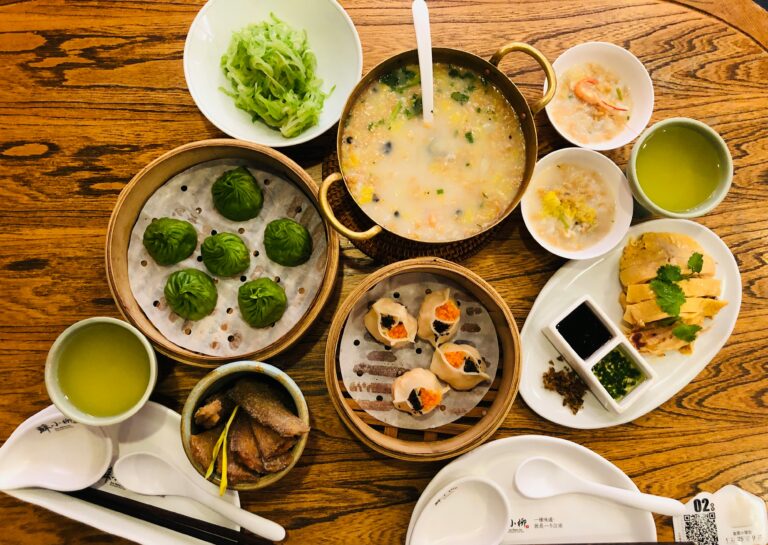
What to Order at Dim Sum: A Beginner’s Guide to 12 Essential Dishes
Knowing what to order at dim sum is less about memorizing a menu and more about learning a rhythm. On a weekend morning in almost any Chinatown, the room is loud, the carts keep coming, and a small paper card sits on the table waiting for stamps. For a lot of Asian American families, none of this is a special occasion. It is just Sunday. The grandparents got there first, the tea is already poured, and nobody is reading the menu because they have ordered the same dishes for thirty years.
If you did not grow up with that rhythm, the first visit can feel like arriving at a party where everyone else already knows the steps. The reassuring part is that dim sum is built for sharing and for trying a little of everything, so there is no wrong way in. This guide walks through how the meal actually works, the dishes worth putting on your table, and the small points of etiquette that make you look less like a first-timer.
How Dim Sum Works
Dim sum is the food. Yum cha, which means drink tea in Cantonese, is the ritual around it: a slow, sociable meal of small shared plates and refilling pots of tea, usually eaten from mid-morning into the early afternoon. The phrase dim sum itself translates loosely to touch the heart, a fitting name for food meant to delight rather than fill.
Restaurants generally run one of two ways. With cart service, servers wheel steaming trolleys past your table, you point at whatever looks good, and a card on the table gets stamped for each dish you take. With menu service, you mark a printed checklist with a pencil and hand it over. Either way, the food comes in waves instead of courses, so you order in rounds, a few plates at a time, and keep going until you are full.
Three things are worth knowing before you sit down. Go early, since the carts are freshest and the lines shortest before noon. Bring people, because more of you means more dishes to share. And do not worry about the bill, as most plates land in the single digits and a generous spread rarely costs much per person.
What to Order at Dim Sum: Start With the Steamed Classics
The steamed dishes are the heart of dim sum and the right place to begin. These five turn up on nearly every cart, and together they cover the core textures and flavors of the meal.
Har Gow, shrimp dumplings
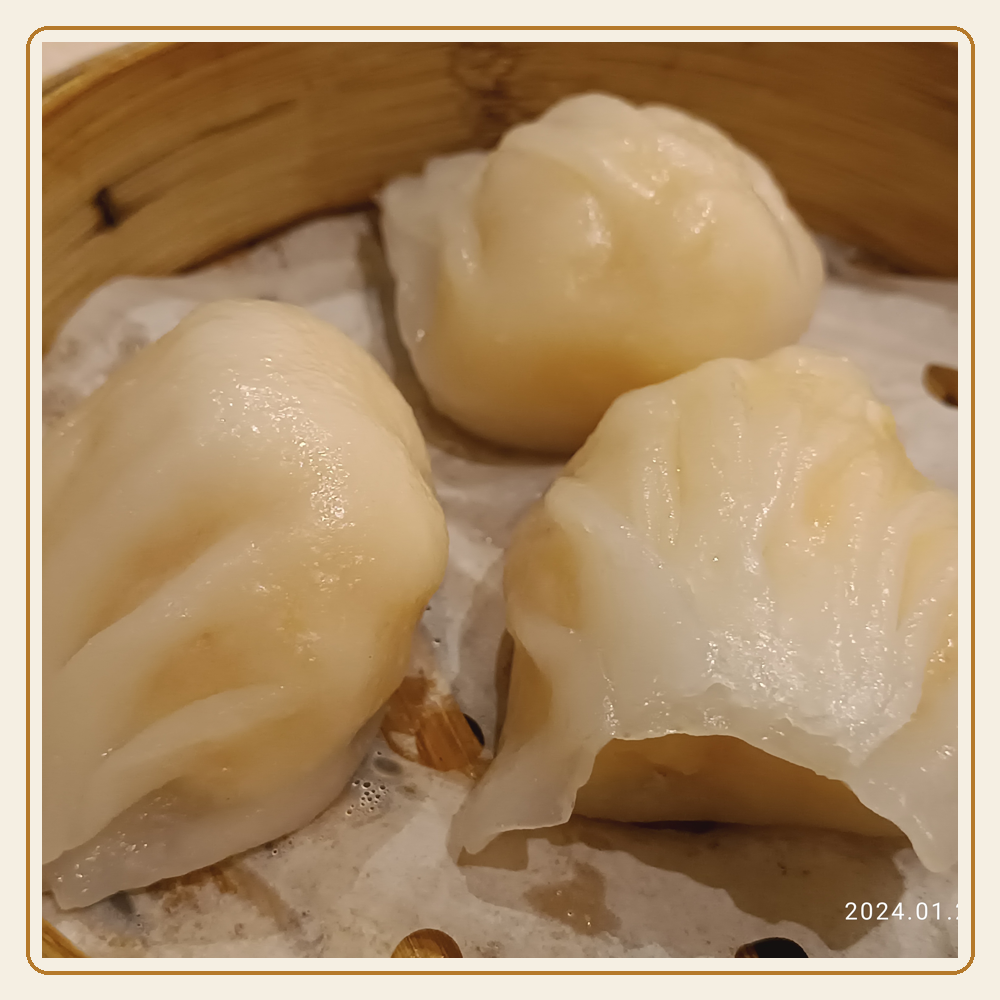
The benchmark. A good har gow has a thin, translucent wrapper with a gentle chew, pleated around a filling of whole shrimp, and regulars often judge a kitchen by it. Order it first and eat it hot.
Siu Mai, pork and shrimp dumplings
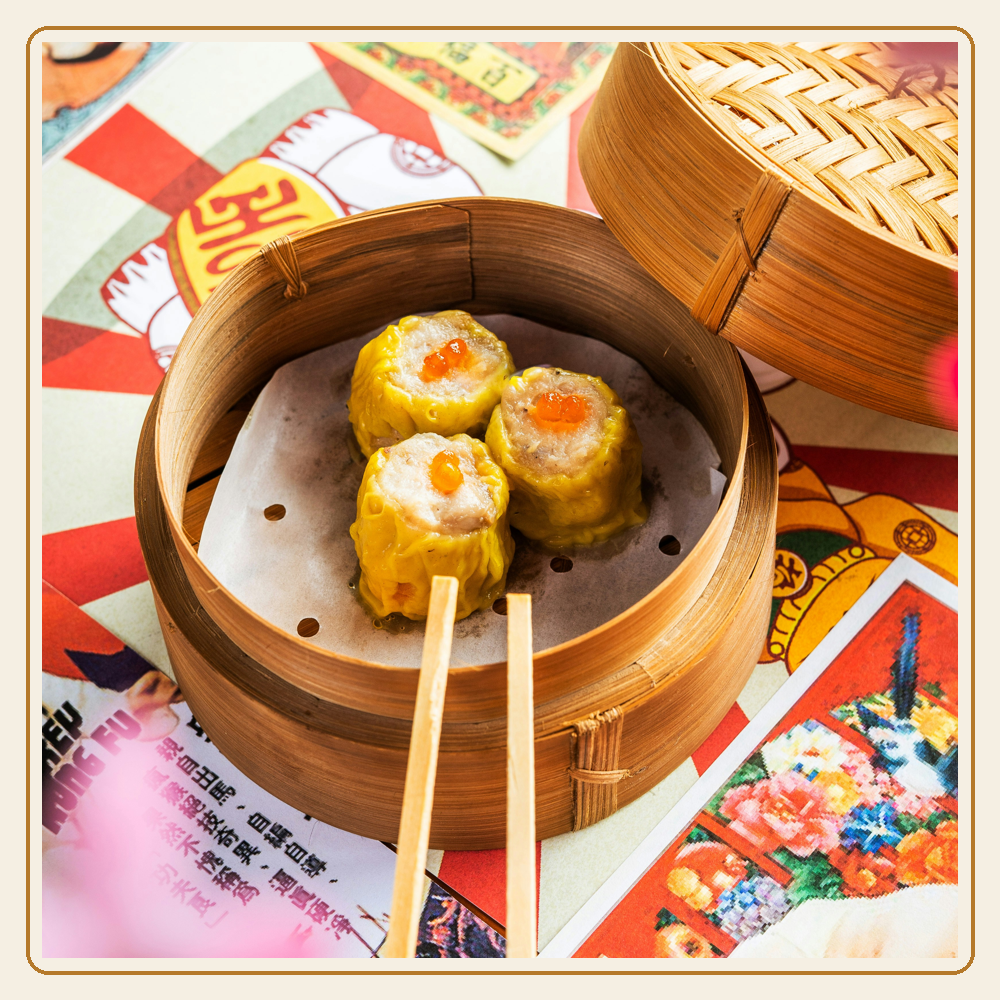
The other half of the essential pair. These open-topped dumplings hold seasoned ground pork and shrimp, usually finished with a dot of orange crab roe on top. Savory and dependable, siu mai is the plate you can always fall back on.
Char Siu Bao, barbecue pork buns
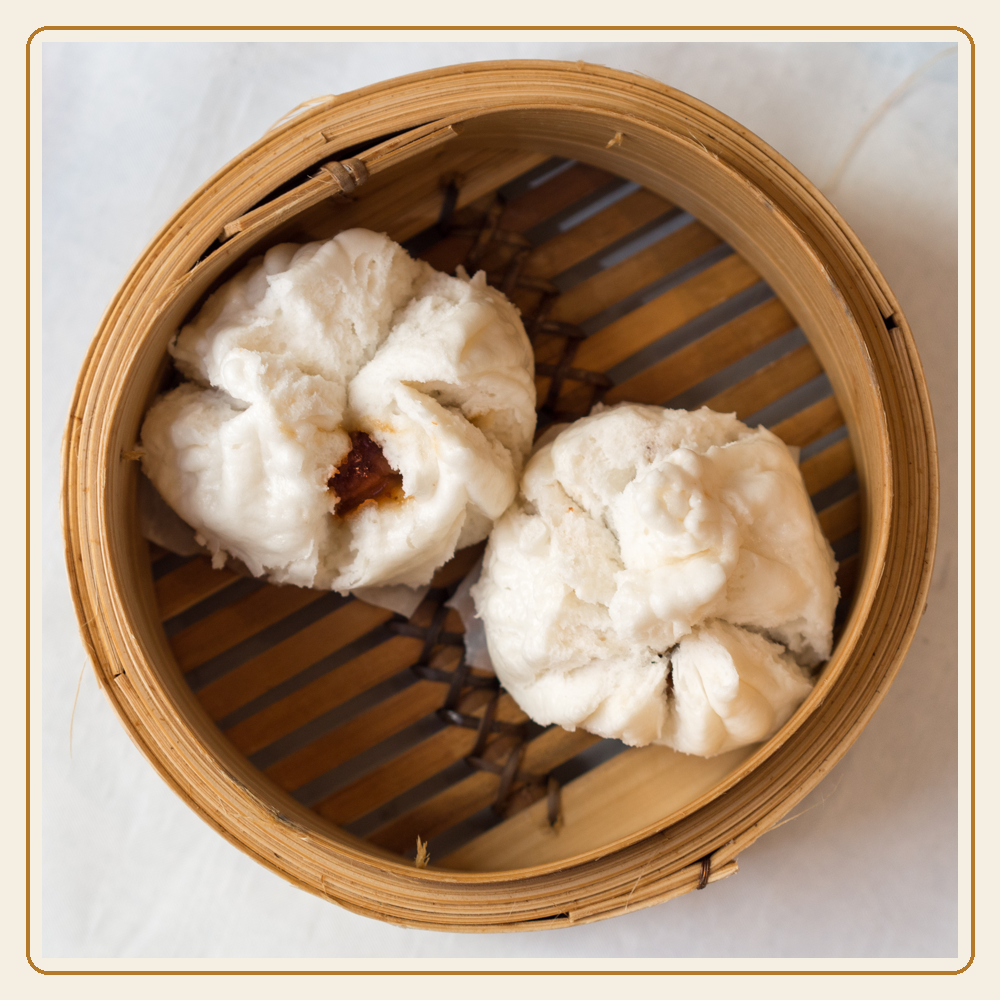
Soft, pillowy steamed buns that pull open to reveal sweet and savory barbecued pork in a glossy sauce. There is also a baked version with a burnished, faintly sweet crust. Either way, this is the easiest dish to love and the simplest thing to order for a nervous first-timer at the table.
Cheung Fun, rice noodle rolls
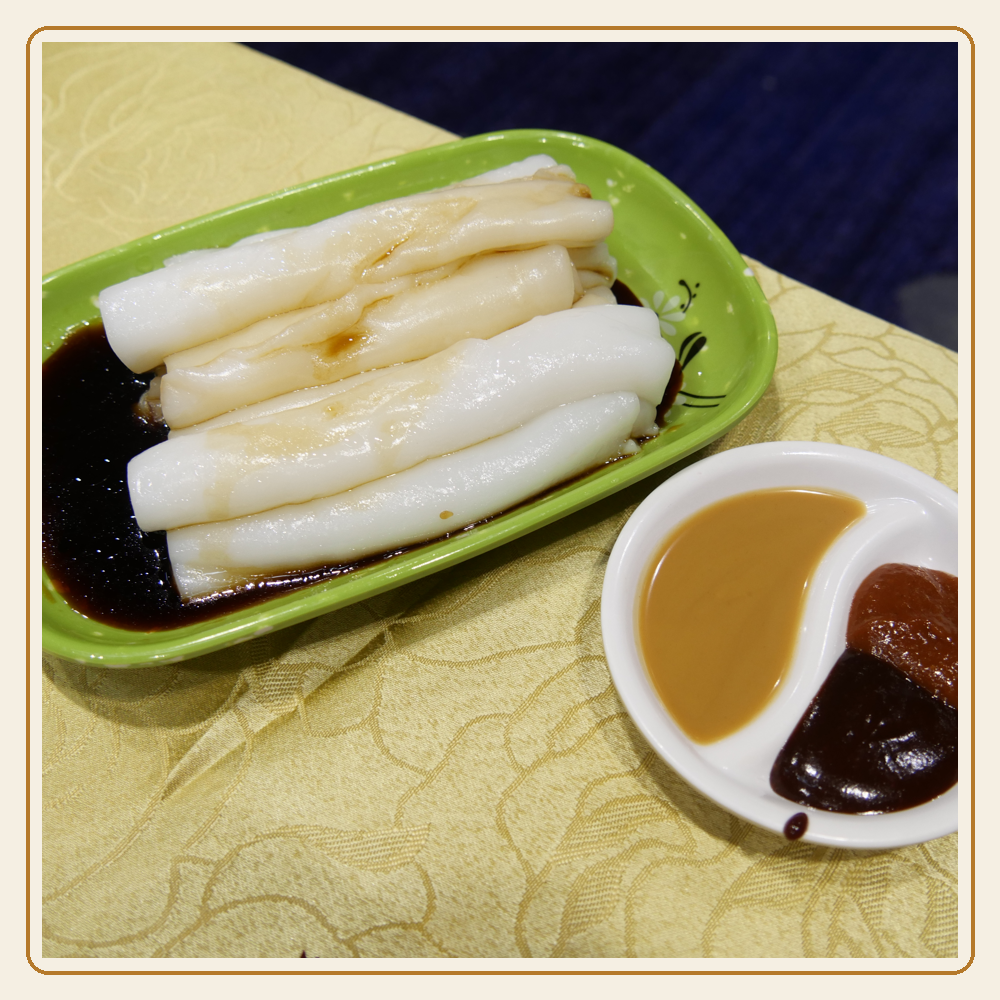
Wide, silky sheets of steamed rice noodle wrapped around shrimp, beef, or barbecue pork, then finished with a sweet soy sauce poured over the top at the table. The slippery, tender texture is the whole point, and it is one of the most underordered dishes on the cart.
Xiao Long Bao, soup dumplings
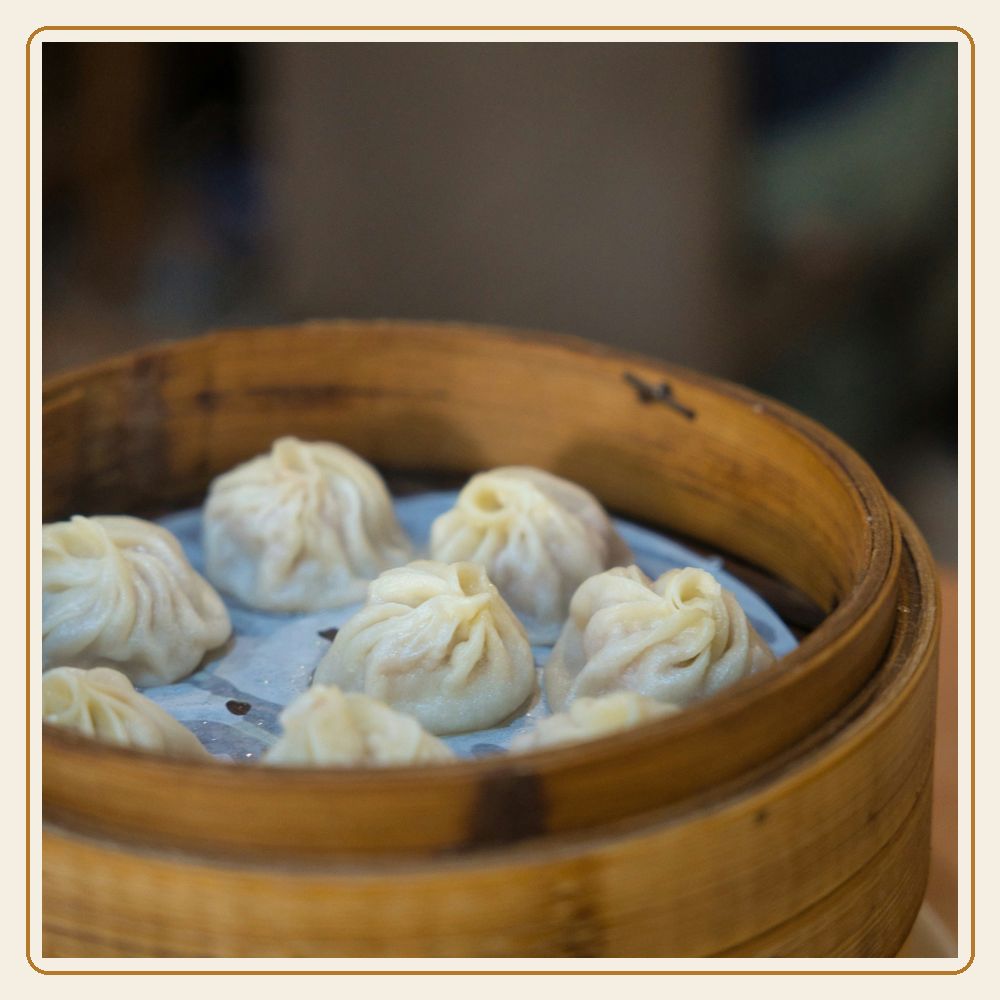
Shanghainese rather than Cantonese in origin, but common enough on dim sum tables to earn a place here. Each pleated dumpling holds pork and a swallow of hot broth, so lift it gently, set it on your spoon, nip the top, and sip before you bite. They are genuinely hot, so give them a second.
The Fried and Pan-Fried Plates
Spring Rolls
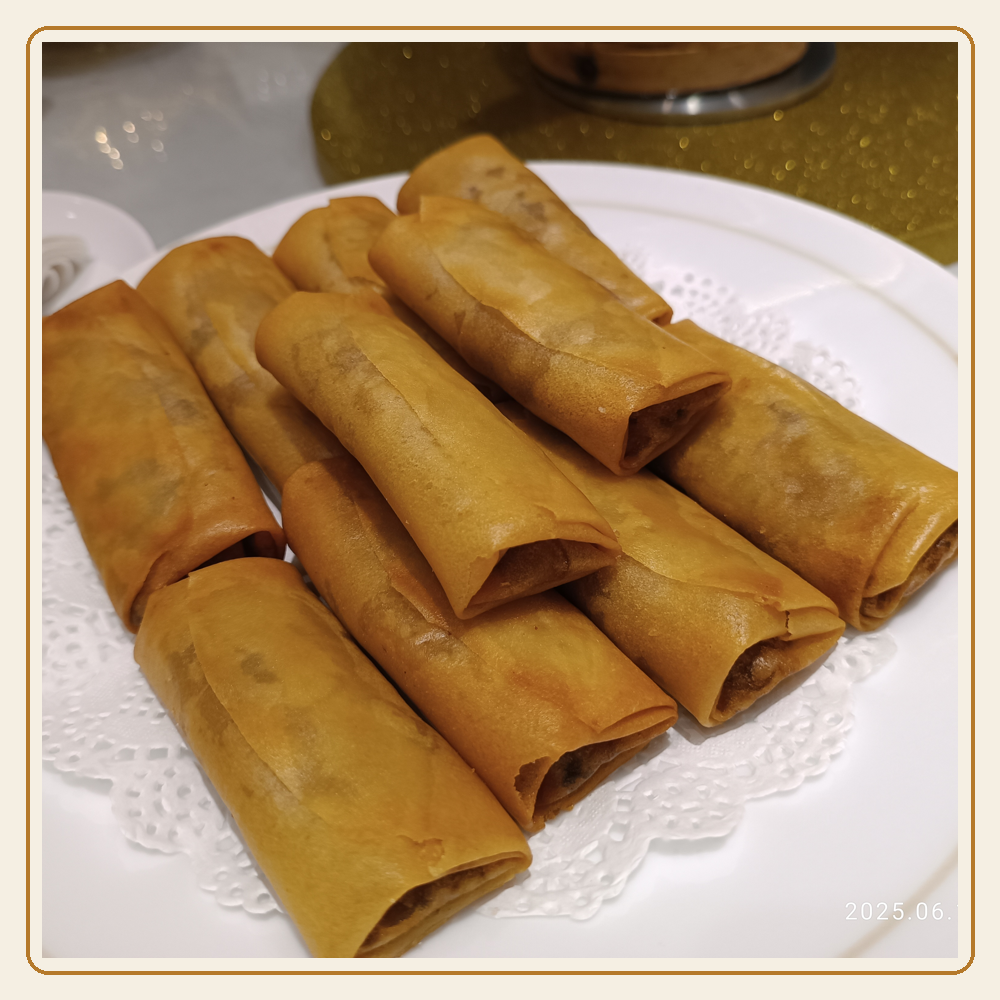
Crisp, golden, and familiar, filled with vegetables and sometimes pork or shrimp. Not the most adventurous order, but a friendly bridge for anyone still finding their footing.
Wu Gok, taro puffs
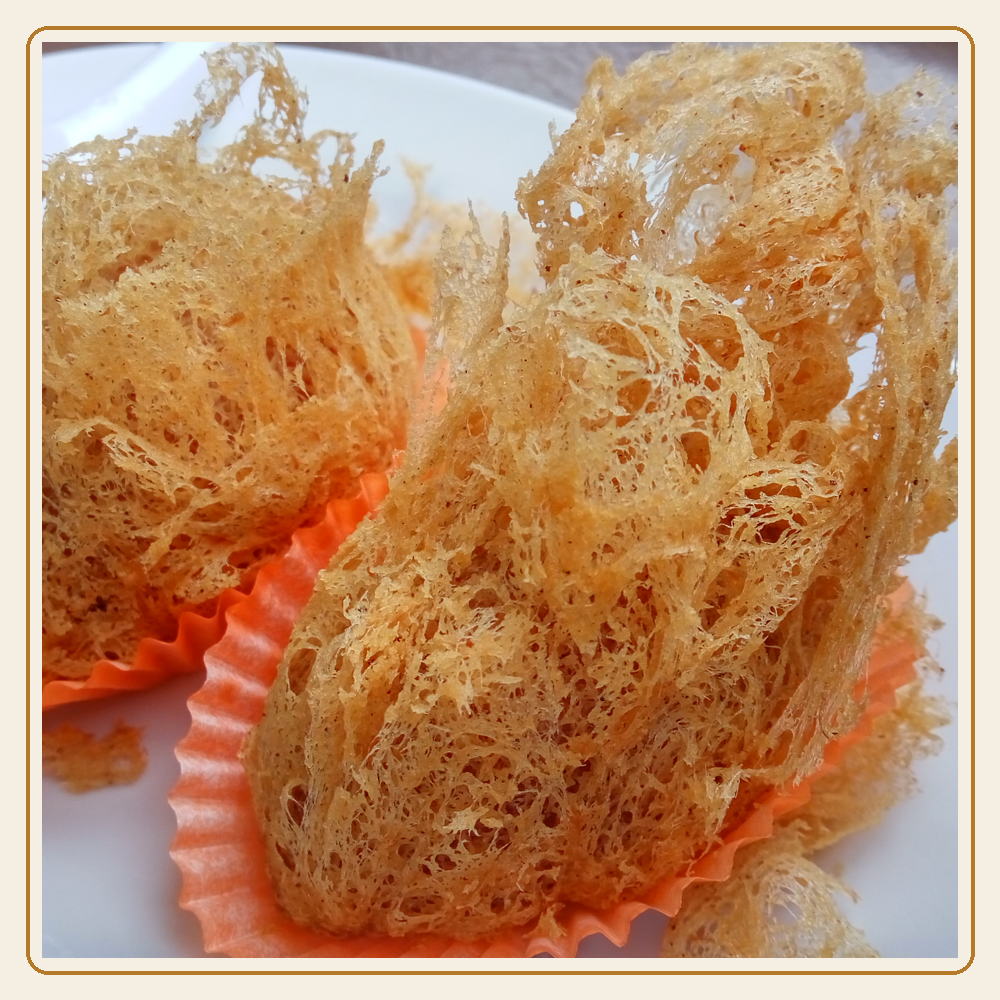
A lacy, honeycomb-crisp shell of mashed taro, deep-fried until it shatters, wrapped around a savory pork filling. One of the great textural dishes on any cart, and a good sign the kitchen is paying attention.
Lo Bak Go, turnip cake
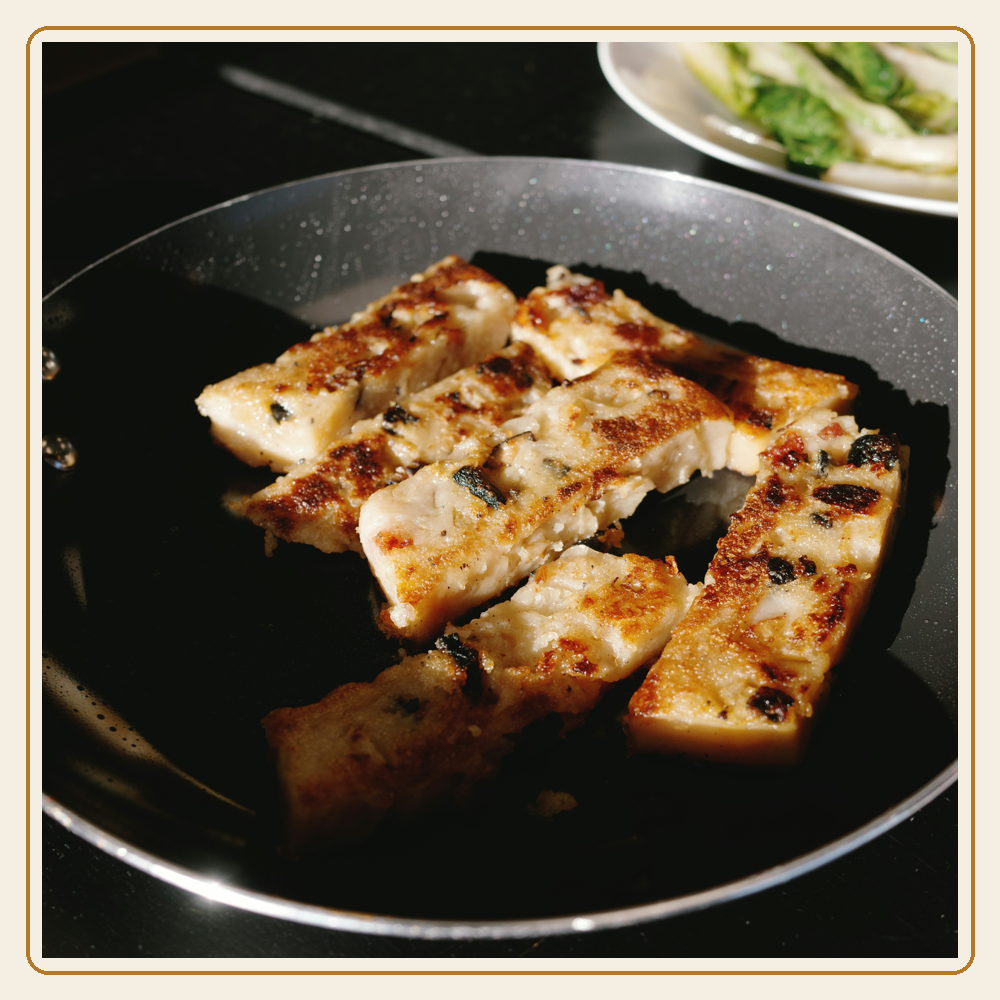
Pan-fried squares of shredded daikon bound with rice flour, flecked with Chinese sausage and dried shrimp, crisp at the edges and soft in the center. An acquired favorite that rewards a little chili sauce.
For the Adventurous
Fung Zao, chicken feet
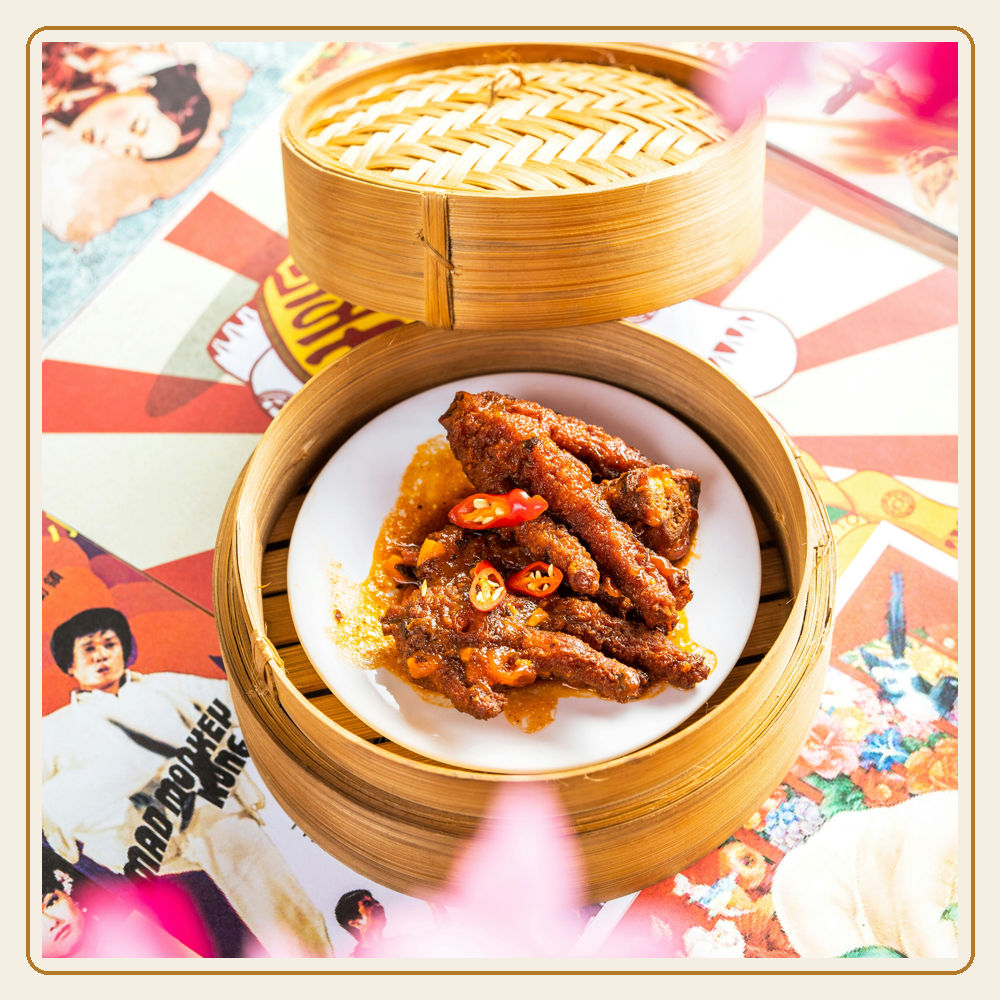
Braised until tender in a fragrant black bean and soy sauce, chicken feet are mostly skin, tendon, and collagen, which is exactly the appeal for the people who love them. There is not much meat, so share a plate, and do not knock them until you have tried them.
Lo Mai Gai, sticky rice in lotus leaf
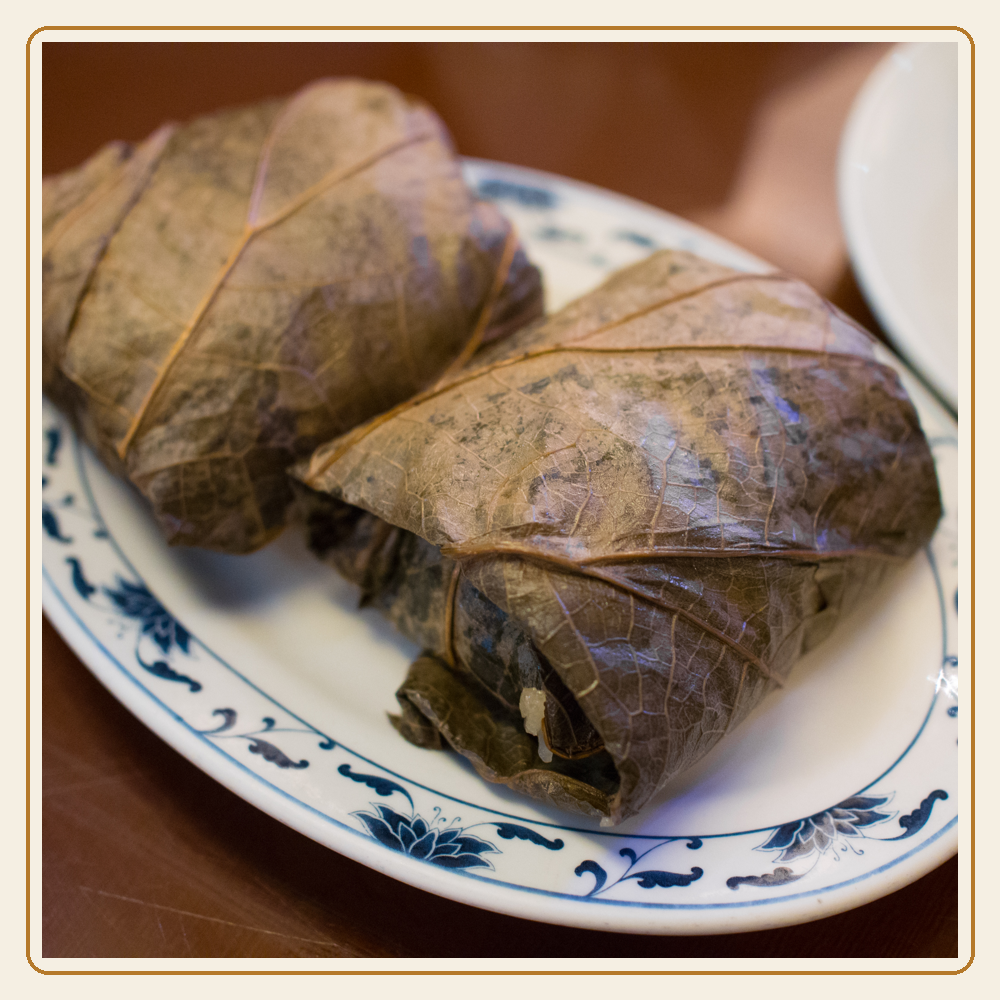
A parcel of glutinous rice steamed in a lotus leaf with chicken, Chinese sausage, and mushroom, unwrapped at the table to release its aroma. It is filling, so order it toward the end when you know how much room is left.
Save Room for Something Sweet
Dan Tat, egg tarts
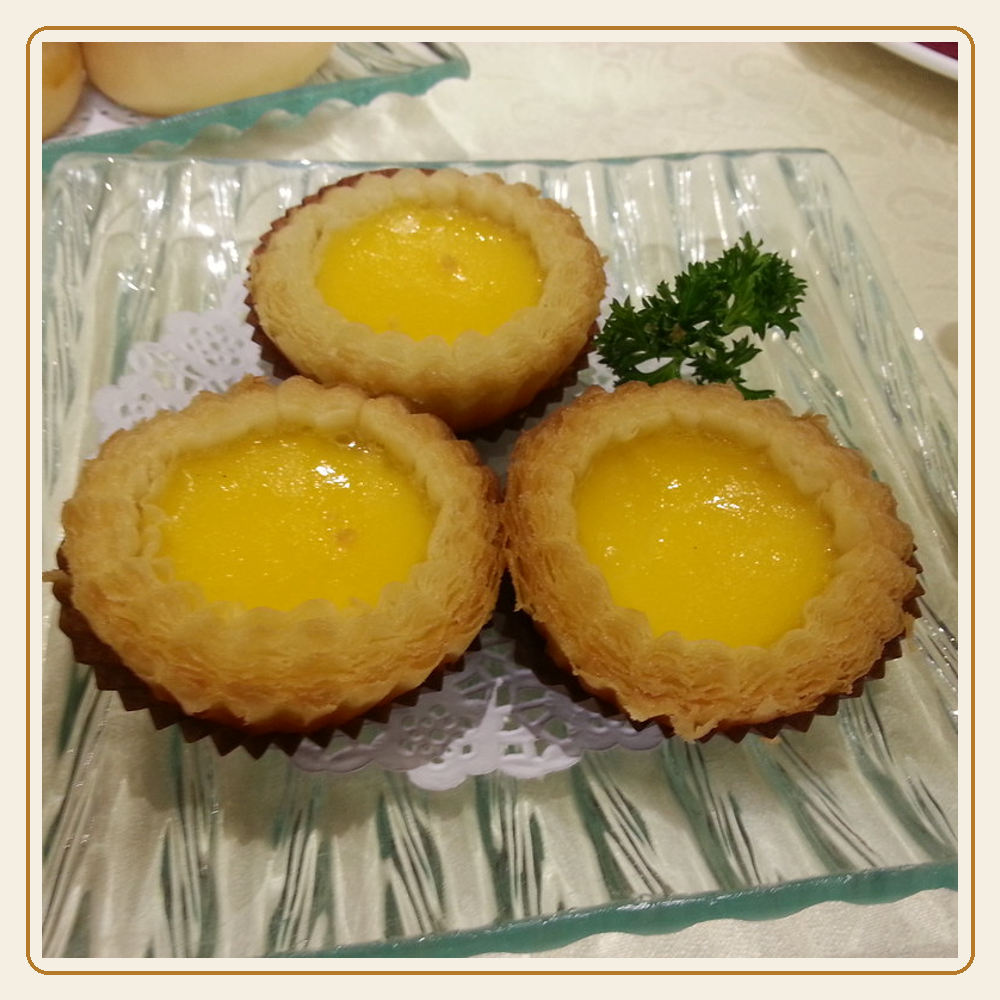
The classic finish: a flaky or shortcrust shell filled with a bright, wobbly custard, best eaten warm. If your table orders one sweet thing, make it these.
Lai Wong Bao, custard buns
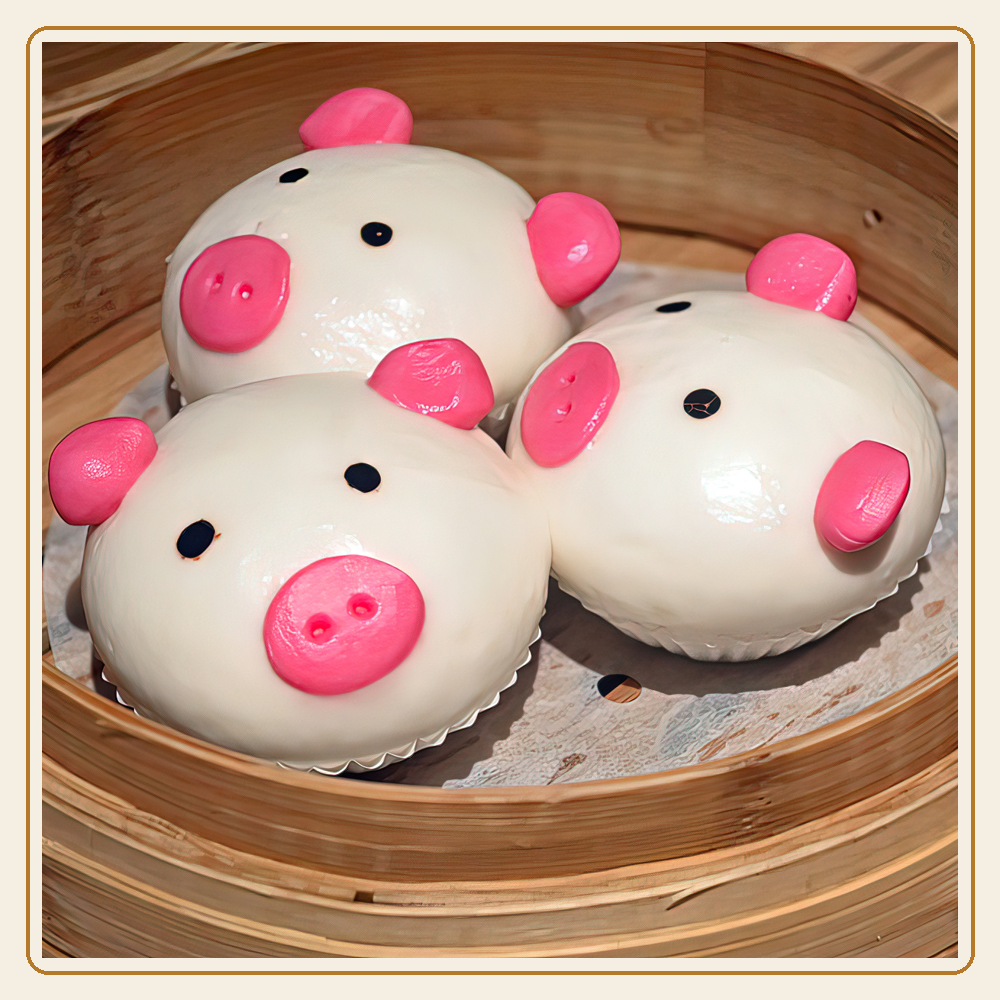
Steamed buns filled with a sweet, silky egg custard. The prized version is liu sha bao, where the custard is made with salted egg yolk and spills out molten when you break the bun open.
Dim Sum Etiquette, Briefly
A few small habits make the meal smoother. Pour tea for others before yourself, starting with the oldest person at the table, and when someone fills your cup, tap two fingers on the table as a quiet thank you. If your teapot runs dry, rest the lid ajar on top and a server will come to refill it. Order in rounds rather than all at once so the food keeps arriving hot, and do not stress about the checklist or the language. Pointing works, the staff have seen every kind of beginner, and the point of the morning is to relax over a long, shared table.
If you want to go deeper, Carolyn Phillips’s The Dim Sum Field Guide is the closest thing to a pocket encyclopedia of the cart, with illustrated entries for dozens of dishes you will meet in the wild.
How to Build Your First Order
For a table of three or four, a strong opening round is har gow, siu mai, char siu bao, and cheung fun, which covers the essential textures without any overthinking. Add a fried plate like taro puffs, send back for a second round of whatever vanished fastest, and close with egg tarts. That is a full, confident meal, and by the end of it you will have your own answer to what to order at dim sum.
The rest you learn by going back, one cart at a time. If you need a table, start with our guides to the best Asian restaurants in Boston and New York City, or the best Chinese restaurants in Chicago.
Frequently Asked Questions
What should I order at dim sum for the first time?
Begin with the steamed classics: har gow (shrimp dumplings), siu mai (pork and shrimp dumplings), char siu bao (barbecue pork buns), and cheung fun (rice noodle rolls). They cover the core flavors and textures, and every cart carries them.
What time is dim sum served?
Dim sum is a daytime meal, usually served from mid-morning until the early to mid-afternoon. Going before the noon rush means fresher food off the carts and a shorter wait for a table.
Do you need to speak Cantonese to order dim sum?
No. With cart service you point at what you want, and with menu service you mark a checklist. The staff are used to first-timers, so a smile and a finger are all you need.
Is dim sum expensive?
Usually not. Most plates fall in the single digits, and since everything is shared, a full spread tends to come out to a modest amount per person. It is one of the better value meals in Chinese cooking.
Photos: char siu bao and lo mai gai by Takeaway; cheung fun by Peachyeung316; wu gok by Haha169 (CC BY-SA). Egg tart by Azchael; custard bun by Choo Yut Shing (CC BY 2.0). Via Wikimedia Commons and Flickr.