Why Ramen Became America’s Comfort Food
American ramen’s rise is one of the more unlikely food stories of the past two decades. A dish associated with cheap instant noodles and college dorms became, through a combination of Japanese immigration, food media, and shifting American palates, one of the most beloved and discussed cuisines in the country. Understanding why ramen became America’s comfort food requires understanding both the food itself and the cultural moment that made the embrace possible.
Ramen is not a single dish. It is a category of Japanese noodle soups with four broad regional styles — shoyu (soy sauce-based, from Tokyo), miso (from Hokkaido), tonkotsu (pork bone broth, from Fukuoka), and shio (salt-based, lighter) — and infinite variations within each. Each style reflects the region, the climate, and the culinary culture that produced it. What arrived in America was not a fixed thing but a living cuisine with depth and regionality that most American diners initially knew nothing about.
How American Ramen Arrived
Japanese immigrants brought ramen culture to the United States in waves, establishing restaurants in cities with significant Japanese American populations — Los Angeles, Seattle, San Francisco, Honolulu. For decades these restaurants served Japanese American communities and curious food adventurers without breaking into mainstream awareness.
The shift came in the 2000s, accelerated by food media. David Chang’s Momofuku Noodle Bar opened in New York City in 2004 and brought serious culinary attention to ramen. Food writers and critics engaged with ramen as a subject worthy of the same analytical interest as French cuisine. The documentary “Jiro Dreams of Sushi” — though about sushi — signaled American audiences’ readiness to take Japanese food culture seriously as a high craft.
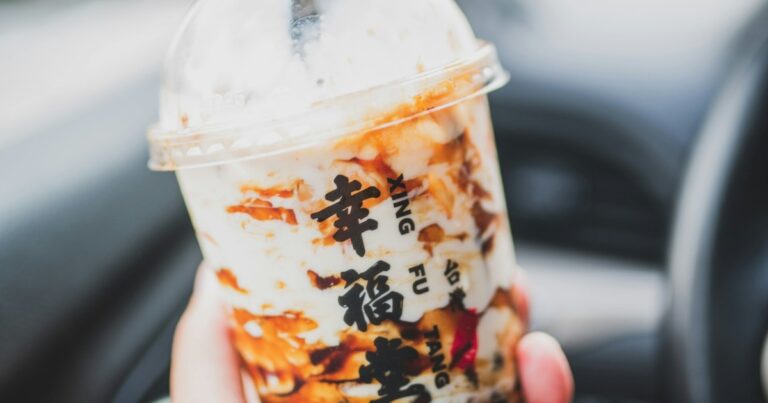
This trajectory mirrors what happened with Vietnamese coffee and boba — Asian food categories that spent years as community staples before mainstream discovery transformed them into national phenomena.
What Makes American Ramen Uniquely Comforting
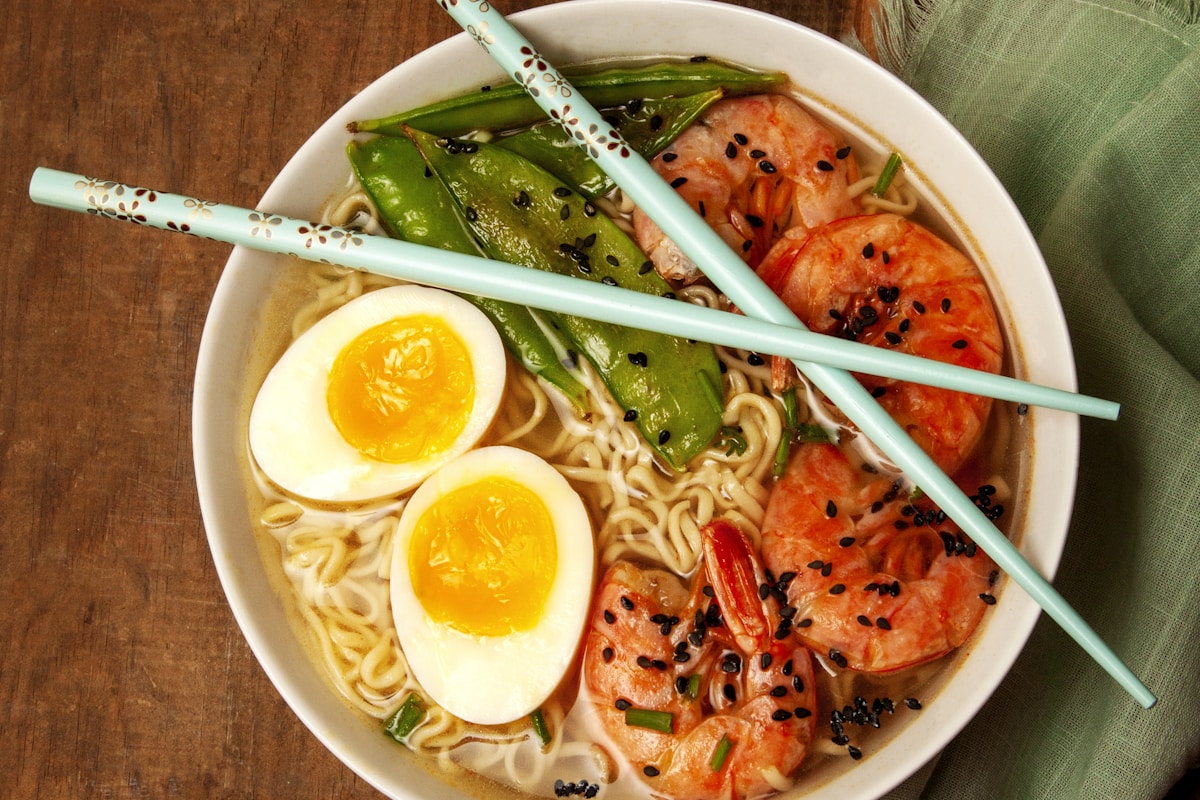
Ramen’s comfort food status is not accidental. The dish is engineered — through long-simmered broths, fatty marinated eggs, slow-cooked pork belly, and deeply seasoned tare — to hit the specific flavor notes that humans find most satisfying: umami, fat, salt, and warmth delivered simultaneously. A well-made bowl of tonkotsu ramen is as carefully calibrated as any dish in the world.
The format also matters. Ramen is eaten at a counter or small table, often alone or in pairs, in relative quiet. The Japanese practice of eating ramen with focus and slurping — both acceptable and encouraged — creates a ritualistic, immersive experience that feels restorative in a way that casual dining rarely does.
The Ramen Shop as Third Place
The best ramen shops in America have become something more than restaurants — they are neighborhood anchors, gathering places, sites of ritual. In cities with significant Japanese American populations like Los Angeles and New York, ramen shops function as community infrastructure in the way that coffee shops function in other neighborhoods.
The ramen boom has also created significant opportunity for second-generation Asian American chefs who grew up eating ramen at home and bring that authentic relationship to the food to their restaurants. The best American ramen is not imitation Japanese ramen — it is American ramen, drawing on Japanese technique and incorporating ingredients and influences from the specific place it was made.
Where American Ramen Is Going
The American ramen scene has moved well past the first wave of tonkotsu shops. Vegan ramen has become a serious genre, with chefs developing plant-based broths that achieve the depth of pork bone through different means. Regional Japanese styles that were rare even a decade ago — hakata, Sapporo miso, tsukemen (dipping ramen) — are now available in major American cities. The conversation has gotten more specific, more knowledgeable, and more exciting.
Food writers who have documented the evolution of ramen in America note that the dish’s complexity — from the broth to the tare to the toppings — has driven a level of culinary enthusiasm rarely seen outside fine dining. Read more: Serious Eats comprehensive guide to ramen.
Frequently Asked Questions
What are the four main types of ramen?
The four main regional ramen styles are shoyu (soy sauce-based broth, associated with Tokyo), miso (fermented soybean paste broth, associated with Hokkaido), tonkotsu (pork bone broth, associated with Fukuoka in Kyushu), and shio (salt-based, lighter broth). Each style has significant regional and chef-to-chef variation within it.
Is ramen Japanese or Chinese?
Ramen has Chinese roots — the dish evolved from Chinese noodle soups brought to Japan in the late 19th and early 20th centuries — but it has been thoroughly transformed into a distinctly Japanese cuisine over more than a century of development. Contemporary Japanese ramen has little resemblance to its Chinese antecedents.
What is tare in ramen?
Tare is the concentrated seasoning sauce that is added to the broth at the bottom of the bowl before the soup is poured in. It is one of the key ways ramen chefs control flavor and differentiate their bowls. Different tare formulas — some kept secret for decades — are a major component of a ramen shop’s identity.
What is the difference between ramen broth types?
Tonkotsu broth is made by boiling pork bones for many hours at high heat, producing a rich, opaque, fatty soup. Shoyu broth is typically chicken or pork-based with soy sauce seasoning, producing a clearer, more delicate soup. Miso broth incorporates fermented soybean paste for a complex, savory depth. Shio broth is the lightest style, seasoned primarily with salt, allowing the quality of the base stock to come through most clearly.