Where to Eat Hmong Food in the Twin Cities
The best Hmong food in the Twin Cities is not in a restaurant at all. It is in St. Paul, home to the largest Hmong community in the United States, inside two sprawling indoor markets where dozens of family-run stalls pound papaya salad to order, grill lemongrass sausage, and ladle khao poon by the bowl. Minneapolis has the acclaimed fine-dining names, but for the everyday cooking the community actually eats, you cross the river to St. Paul.
These are not polished, visitor-facing rooms, and that is the point. The best of it is cash-only counters in a food court, ordered at the stall and eaten at shared tables. Here are the best spots for Hmong food in the Twin Cities right now, from the two anchor markets to the standout vendors inside them.
Hmong Village
East Side, St. Paul · 1001 Johnson Parkway
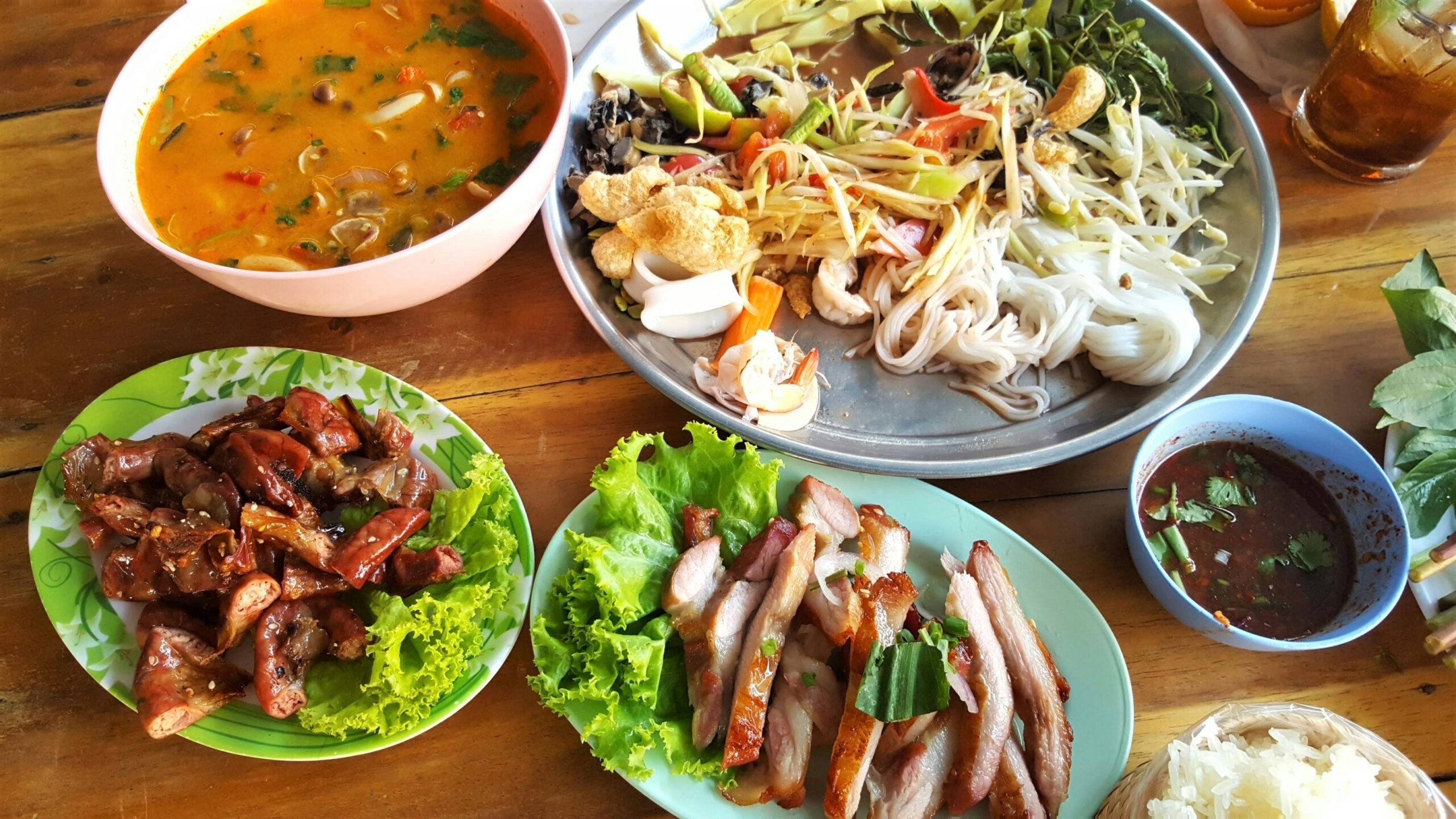
Hmong Village is the heart of it, a sprawling indoor market on St. Paul’s East Side with more than 250 vendors and a food court packed with Hmong stalls. This is where to come for papaya salad pounded to order, Hmong sausage with purple sticky rice, stuffed chicken wings, khao poon noodle soup, and egg rolls by the bag. The market is open daily, so come hungry and plan to wander, because the produce stalls, herb vendors, and grocery aisles are half the experience.
Mai’s Papaya
Inside Hmong Village · 1001 Johnson Parkway
At the far end of the Hmong Village food court, Mai’s Papaya draws a steady line for one thing above all: its papaya salad, which the Star Tribune singled out in early 2026 as some of the best in the cities. The som tam is bright, funky, and built to your spice level, and the larb and grilled meats are worth adding. Bring cash, because the stall is cash-only.
Hmongtown Marketplace
North End, St. Paul · 217 Como Avenue
Hmongtown Marketplace is the other essential market, a little older and rougher around the edges than Hmong Village, with an indoor food court, an outdoor summer market, and rows of grocery and produce vendors. One note before you go: since early 2026 the marketplace has been operating on reduced, temporary hours, so it is worth calling ahead or checking its page for current times. The market itself remains open for groceries and produce, but some shops have closed and the restaurants that are open have at times shifted to takeout only, so check before you make the trip.
Hmong Express Cuisine
Inside Hmongtown Marketplace · 217 Como Avenue
The standout stall at Hmongtown is Hmong Express Cuisine, which Andrew Zimmern once called the Twin Cities’ best-kept culinary secret. The papaya salad is made to order in a giant mortar and pestle, and they take spice seriously, so order to your tolerance. Round it out with grilled meats, roast pork, and sticky rice.
Hmoob Kitchen
Inside Hmongtown Marketplace · 217 Como Avenue
A few stalls over, Hmoob Kitchen is the other reason to work your way through Hmongtown. Regulars come for the papaya salad with kapoon, creamy, tangy, and balanced, and the kitchen turns out the full range of Hmong classics alongside it. It generally keeps daily hours from late morning through early evening.
Eating Hmong Food Across the Twin Cities
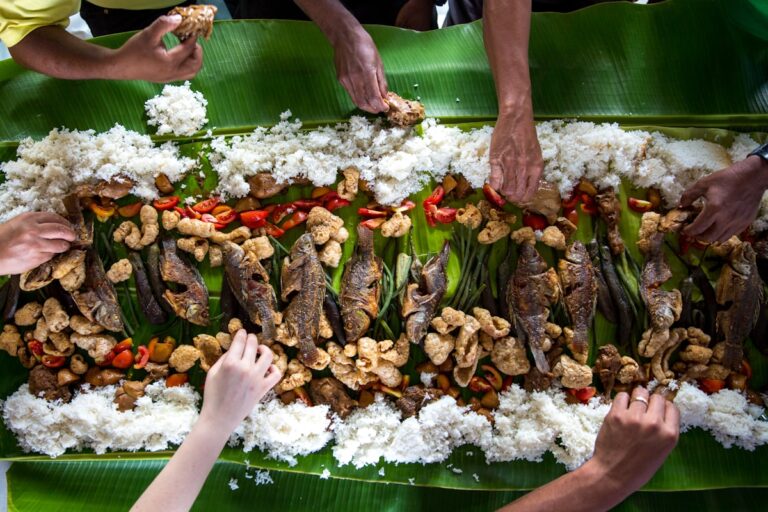
Hmong cooking is built for sharing: big platters of grilled meats, herb-heavy larb, sticky rice passed around the table, and papaya salad pounded as spicy as you can handle. The markets are the everyday heart of it, but the Twin Cities also have the most celebrated Hmong fine dining in the country. If you want the special-occasion version, Yia Vang’s Vinai in Northeast Minneapolis landed on the New York Times’ list of the 50 best restaurants in America, and Diane Moua’s Diane’s Place was Food & Wine’s 2025 Restaurant of the Year. Both take planning. For everything in between, the University Avenue corridor in St. Paul is lined with Hmong groceries, bakeries, and restaurants worth exploring on your own. If you are eating your way through other cities, Woven keeps guides to the best Vietnamese restaurants in Philadelphia and more of our Food coverage.
Frequently Asked Questions
Where is the best Hmong food in the Twin Cities?
St. Paul, specifically the two indoor markets: Hmong Village on the East Side and Hmongtown Marketplace in the North End. Their food courts hold the highest concentration of Hmong stalls in the region. Minneapolis has the acclaimed sit-down restaurants, Vinai and Diane’s Place, but St. Paul has the everyday depth.
What should I order at a Hmong market?
Start with papaya salad (som tam), pounded to order and seasoned to your spice level, and larb, a bright herb-and-meat salad. Add Hmong sausage with purple sticky rice, stuffed chicken wings, grilled meats, and a bowl of khao poon, a curried noodle soup. Most stalls are built for sharing.
Are the Hmong markets cash only?
Many of the individual stalls are cash-only, including Mai’s Papaya, so it is smart to bring cash. Some vendors take cards, but you do not want to reach the front of the line and find out yours does not.
What is the difference between Hmong Village and Hmongtown Marketplace?
Both are large indoor Hmong markets in St. Paul with food courts and grocery vendors. Hmong Village on Johnson Parkway is the larger and busier of the two, with more than 250 vendors. Hmongtown Marketplace on Como Avenue is a little older and runs an outdoor summer market, though it has been on reduced hours since early 2026. Either one delivers; serious eaters hit both.
When is the best time to visit the markets?
Weekend mornings and early afternoons are the sweet spot for Hmong food in the Twin Cities, when every stall is open and the markets are at their liveliest. If you want a calmer visit, come on a weekday, though it is worth calling ahead, since some vendors keep shorter hours midweek.